Have you noticed how drones are absolutely everywhere these days? From swift package deliveries right to your doorstep to incredible aerial photography, these unmanned aircraft are truly transforming our world.
But with so many more eyes—or rather, propellers—in the sky, it makes you wonder: how are our amazing air traffic controllers keeping everything safe and organized up there?
It’s a fascinating challenge to ensure our bustling airspace, once exclusively for traditional aircraft, can safely accommodate these new, agile flyers.
The future of flight is here, and it’s a lot more crowded than we ever imagined, pushing the boundaries of technology and human expertise. Let’s dive deeper into how this exciting evolution is reshaping the skies we share.
The Sky’s New Normal: A Crowded Highway
From Exclusive Lanes to Shared Skies
It really wasn’t that long ago that looking up meant seeing the occasional commercial airliner or perhaps a small private plane tracing its way across the blue.
Those were the “good old days,” I suppose, when air traffic control had a relatively predictable set of vehicles to manage. Fast forward to today, and wow, what a difference!
Suddenly, our skies are buzzing with a whole new cast of characters: recreational drones capturing stunning vacation footage, commercial drones inspecting infrastructure, and even those little quadcopters delivering packages right to your door.
It’s like going from a quiet country road to a bustling, multi-lane highway almost overnight. The sheer volume and variety of these new flying objects present a monumental challenge, one that truly pushes the limits of our current air traffic management systems and the incredible people who operate them.
We’re talking about integrating everything from tiny toy drones to massive cargo UAVs into airspace that was meticulously designed for traditional, human-piloted aircraft.
It’s a delicate dance, ensuring that everyone, whether they’re flying a jumbo jet or a hobby drone, can do so safely and efficiently without bumping into each other.
It’s a completely new paradigm for airspace, and honestly, it’s both terrifying and exhilarating to witness.
Understanding the New Traffic: Types of Unmanned Aircraft
When we talk about drones, it’s easy to picture just one type, but the reality is far more complex and interesting. I’ve spent a fair bit of time researching this, and what strikes me is the incredible diversity.
On one end, you have your small, off-the-shelf consumer drones, which are often flown by hobbyists for fun. These are generally limited in range and altitude, but their sheer numbers can still pose local challenges, especially near airports.
Then there’s the burgeoning commercial sector, where drones are becoming indispensable tools. Think about surveying vast tracts of land, inspecting wind turbines hundreds of feet in the air, or even delivering medical supplies to remote areas.
These operations often involve more sophisticated drones with longer flight times, greater ranges, and sometimes, heavier payloads. And let’s not forget the specialized applications like agricultural spraying or even military reconnaissance, which involve entirely different classes of UAVs.
Each type has its own flight characteristics, operational requirements, and, crucially, its own set of potential risks. Air traffic controllers and airspace planners aren’t just dealing with “drones” as a monolithic entity; they’re navigating an intricate ecosystem of diverse unmanned aircraft, each demanding unique consideration for safe integration.
It really makes you appreciate the complexity of their jobs!
The Unsung Heroes: Air Traffic Controllers Adapting
Evolving Skillsets for a Dynamic Environment
I’ve always had immense respect for air traffic controllers; they’re truly the unsung heroes of the aviation world. But now, with drones in the mix, their jobs have taken on an entirely new dimension of complexity.
It’s not just about guiding large planes from point A to point B anymore. They’re now having to consider low-altitude drone corridors, temporary flight restrictions for specific drone operations, and the potential for unexpected drone incursions into controlled airspace.
This isn’t something they were explicitly trained for decades ago! My conversations with folks in the industry highlight a massive shift in required skillsets.
Controllers need to be more technologically adept, understanding new radar systems, drone tracking software, and communication protocols that differ significantly from traditional aviation.
They’re also having to become adept at rapid problem-solving in scenarios that are literally unprecedented. Imagine trying to coordinate a commercial flight while simultaneously monitoring a swarm of delivery drones or an emergency services UAV.
It’s a mental gymnastics routine, requiring razor-sharp focus and the ability to switch contexts instantly. It genuinely feels like they’re building the new rulebook as they go, all while keeping our skies safe.
New Tools and Technologies in the Control Tower
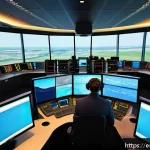
When I picture an air traffic control tower, I still sometimes default to those classic movie scenes with big radar screens and controllers barking orders.
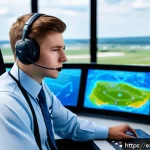
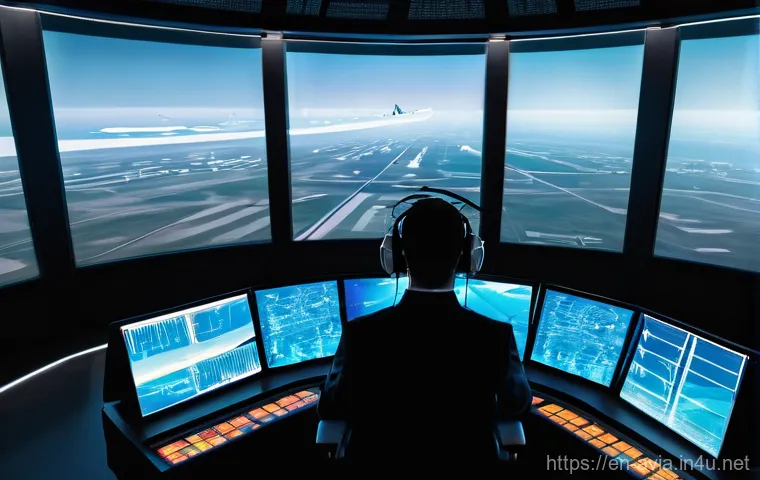
While that image holds some truth, the reality, especially with drones, is far more high-tech. The control rooms I’ve seen or read about are increasingly incorporating sophisticated drone detection and tracking systems.
We’re talking about specialized radar, acoustic sensors, and even optical arrays designed to pick up smaller, slower-moving objects that traditional air traffic radar might miss.
Software solutions are also becoming critical, allowing controllers to visualize drone flight paths, issue digital flight clearances, and manage no-fly zones dynamically.
I heard about one system that even integrates weather data specifically for low-altitude operations, which is crucial for drone safety. This isn’t just about adding new screens; it’s about integrating entirely new data streams and visualization tools into an already complex operational environment.
The learning curve for these new technologies is steep, but it’s absolutely essential to ensure that controllers have the most comprehensive picture of the airspace possible.
It’s fascinating to see how quickly they’re embracing these innovations to keep pace with the rapid evolution of drone technology.
Navigating the Regulatory Labyrinth for UAVs
Crafting Rules for a Changing Sky
Let’s be honest, trying to regulate something as new and rapidly evolving as drone technology is a massive headache for lawmakers and aviation authorities worldwide.
It’s a bit like trying to catch smoke! When drones first started becoming popular, the regulations were, understandably, playing catch-up. I remember a few years back, it felt like the rules were changing almost monthly, leading to a lot of confusion for both hobbyists and commercial operators.
Now, however, agencies like the FAA in the US and EASA in Europe are making huge strides in establishing comprehensive frameworks. They’re trying to balance innovation and accessibility with the absolute necessity of safety and security.
This involves creating new classifications for drones based on weight, operational risk, and purpose, along with corresponding pilot certifications and operational guidelines.
It’s a painstaking process of public consultation, technical analysis, and often, international collaboration, because, let’s face it, airspace isn’t constrained by national borders.
The goal is to create a predictable and safe environment where drone technology can flourish without endangering traditional aviation or public safety.
Global Standards vs. Local Nuances
One of the trickiest parts of drone regulation, I’ve observed, is the tension between needing global standards for a global phenomenon and respecting local airspace nuances.
For instance, what works for managing drone traffic over a vast, sparsely populated area in the US might not be practical for a densely populated city center in Europe.
While international bodies like the International Civil Aviation Organization (ICAO) are working on overarching principles, the actual implementation often falls to national authorities, leading to variations in specific rules.
This can be a real challenge for drone manufacturers and operators who want to operate across different countries. I’ve heard stories from commercial drone pilots who need to navigate a bewildering array of different licensing requirements, flight restrictions, and even privacy laws depending on where they’re flying.
It makes me wonder if we’ll ever reach a point of true international harmonization. For now, it means anyone involved with drones, from a hobbyist to a multi-national company, needs to be incredibly diligent about understanding and complying with the specific regulations of their operating region.
It’s a complex landscape, but absolutely vital for safe and legal drone operations.
The Promise of Automation: UTM and AI
Unlocking the Future with Unmanned Aircraft System Traffic Management (UTM)
If you ask me where the real game-changer lies in integrating drones into our airspace, it has to be the development of Unmanned Aircraft System Traffic Management, or UTM.
Think of it like a dedicated air traffic control system specifically designed for drones, operating alongside and communicating with traditional ATM. It’s not just a pipe dream; I’ve seen some incredible pilot programs and research initiatives that are already showing its potential.
UTM systems are designed to automate many of the functions currently handled by human controllers for traditional aircraft, especially at lower altitudes where most drones operate.
This includes things like automated flight plan approvals, dynamic deconfliction (making sure drones don’t crash into each other), and real-time airspace advisories.
The beauty of UTM is its scalability and efficiency; it can handle a massive number of drone flights simultaneously without overburdening human controllers.
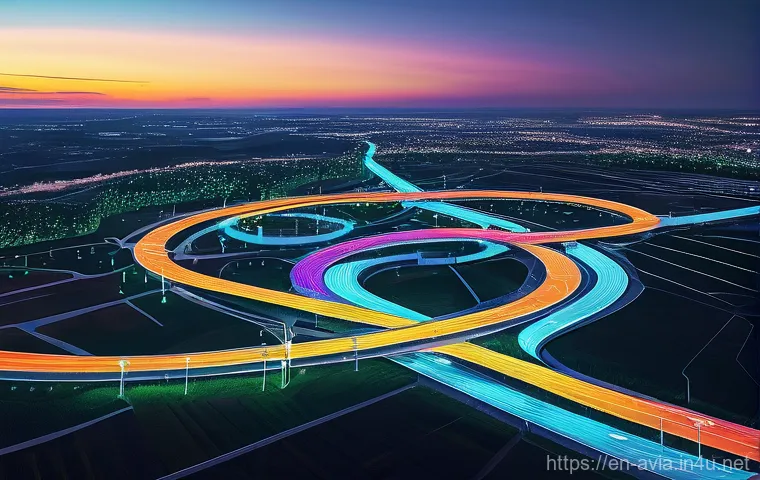
It’s essentially building a digital highway in the sky, complete with smart intersections and automated signaling, tailored specifically for the unique characteristics of unmanned flight.
Artificial Intelligence: The Brains Behind the Buzz
And what powers much of this UTM magic? You guessed it: Artificial Intelligence. I’ve personally been blown away by how AI is being leveraged to make our skies safer and more efficient for drones.
It’s not just about programming; it’s about intelligent systems that can learn and adapt. For example, AI algorithms can analyze vast amounts of data – weather patterns, topographical maps, real-time drone positions, and even anticipated human activity – to optimize flight paths, predict potential conflicts, and suggest alternative routes.
This predictive capability is absolutely crucial in a dynamic, drone-filled environment. Imagine an AI system that can foresee a potential collision between two drones hours in advance and automatically reroute them, or one that can identify an unexpected obstacle and alert the operator in milliseconds.
AI is also being used in sense-and-avoid technologies on the drones themselves, allowing them to autonomously detect and react to other aircraft or obstacles.
It’s truly giving drones a “brain,” enabling them to make intelligent decisions in complex situations, which is going to be vital as drone traffic continues to grow.
Ensuring Safety: A Collaborative Effort
Beyond the Control Tower: Pilots and Operators
While air traffic controllers are at the forefront of managing our skies, it’s crucial to remember that safety is a shared responsibility, especially with drones.
The drone pilot or operator plays an absolutely vital role in this intricate dance. It’s not enough for controllers to be aware of what’s flying; the person on the ground, or remotely operating the drone, needs to be equally diligent.
This means rigorously following regulations, conducting pre-flight checks, being aware of local airspace restrictions, and maintaining visual line of sight (where required).
I’ve personally seen how a responsible drone pilot can make all the difference, communicating effectively with air traffic control when necessary and always prioritizing safety over convenience.
Education and training are key here. We need comprehensive programs that instill a strong safety culture in every drone operator, from the casual weekend flyer to the seasoned commercial professional.
It’s about understanding the power and potential risks of these machines and treating the airspace with the respect it deserves. We’re all in this together, and every individual action contributes to the overall safety of our shared skies.
Public Awareness and Drone Reporting Systems
Another often-overlooked but incredibly important aspect of drone safety is public awareness. Let’s face it, not everyone is an aviation enthusiast or follows the latest drone news.
Many people might not even realize what constitutes a dangerous drone operation or how to report one. That’s where public education campaigns come in.
I’ve come across some fantastic initiatives that teach people about safe drone practices, where they can and can’t fly, and why these rules are in place.
Furthermore, robust drone reporting systems are essential. If a member of the public spots a drone flying dangerously or in a restricted area, they need a clear, easy way to report it to the relevant authorities.
This kind of crowd-sourced information can be invaluable for air traffic control and law enforcement to identify and address potential threats. It’s about empowering everyone to be a pair of eyes for safety, creating a collective vigilance that strengthens our airspace security.
After all, when we all understand the rules and contribute to safety, the sky truly becomes a safer place for everyone.
Here’s a quick look at some key aspects of drone integration:
| Aspect | Traditional Aircraft | Drones (UAVs) |
|---|---|---|
| Typical Altitude | Medium to High (Thousands of feet) | Low to Medium (Hundreds to a few thousand feet) |
| Control Method | Onboard pilot with ATC guidance | Remote pilot or autonomous operation |
| Navigation | Instrument Flight Rules (IFR), Visual Flight Rules (VFR) | GPS, pre-programmed routes, visual line of sight |
| Primary Communication | Voice radio with ATC | Data links, sometimes voice, U-Space/UTM |
| Collision Avoidance | Pilot vigilance, TCAS, ATC separation | Sense & Avoid technology, UTM, pilot vigilance |
Wrapping Things Up
Whew! What a journey we’ve taken through our increasingly crowded skies. It’s clear that the integration of drones isn’t just a technical challenge; it’s a monumental shift in how we perceive, manage, and interact with the airspace above us. From the groundbreaking work of air traffic controllers adapting their skills and tools, to the complex ballet of crafting regulations that balance innovation with ironclad safety, and the visionary promise of UTM and AI, it’s a field brimming with both hurdles and incredible opportunities. I personally feel a mix of excitement and a healthy dose of respect for the sheer scale of what’s being accomplished. The future of flight, it turns out, isn’t just about faster or higher, but about smarter, more integrated, and ultimately, safer skies for everyone.
Useful Information to Know
Here are some practical tips and insights I’ve picked up, which I believe are super helpful for anyone looking to navigate our shared skies safely and smartly, whether you’re a seasoned pilot or just curious about drones:
-
Always Check Local Airspace Regulations: This might seem obvious, but you’d be amazed how many people skip this crucial step! Before every flight, use apps like the FAA’s B4UFLY (in the US) or other local airspace apps. They’ll show you if you’re in controlled airspace, near an airport, or if there are any temporary flight restrictions (TFRs) for events or emergencies. Flying without authorization in controlled airspace can lead to serious penalties. Seriously, it’s like checking the weather before a road trip – absolutely essential!
-
Understand the “Rules of the Road” for Drones: Just like cars have lanes and traffic laws, drones do too. For instance, in the US, recreational drones weighing between 0.55 lbs (250 grams) and 55 lbs must be registered with the FAA, and most need to broadcast a Remote ID. Always keep your drone within your visual line of sight and generally fly below 400 feet AGL. These aren’t just suggestions; they’re vital for preventing accidents with traditional aircraft and ensuring everyone’s safety.
-
Master Your Drone’s Features and Safety Systems: Every drone is a little different, and honestly, the more you know about yours, the safer you’ll be. Take the time to understand its maximum flight time, return-to-home features, and how it behaves in different wind conditions. Knowing how to manually control your drone if GPS signal is lost can be a lifesaver. Plus, practice makes perfect! A quick hover check after takeoff can often tell you if something’s not quite right before you send it soaring.
-
Battery Care is Key: From my experience, neglecting battery health is a common oversight that can quickly lead to trouble. Always inspect your drone batteries for any physical damage before a flight, and avoid over-discharging them. Lipo batteries, in particular, need careful handling—don’t charge them immediately after a flight when they’re still warm, and store them properly. A well-maintained battery ensures reliable flight and prevents unexpected mid-air issues.
-
Stay Updated and Get Certified (if applicable): The world of drones is constantly evolving. Regulations change, new technologies emerge, and best practices are refined. If you’re flying for commercial purposes, getting your Part 107 certification (in the US) is a must. Even for hobbyists, taking the TRUST test is now required. Staying informed through official sources and reputable drone communities ensures you’re always operating legally and safely, which builds trust and confidence in our growing drone ecosystem.
Key Takeaways
Reflecting on everything we’ve covered, it’s clear that the integration of drones into our shared airspace is a transformative, multi-faceted endeavor with several crucial pillars:
The Evolving Landscape of Airspace Management
Our skies are no longer just for traditional aircraft. The sheer volume and diversity of drones, from tiny recreational models to large commercial UAVs, are creating a dynamic environment that demands constant adaptation from air traffic control and regulatory bodies. This isn’t just about adding new layers but fundamentally rethinking airspace structure, especially at lower altitudes where most drone operations occur. It’s an exciting, albeit complex, dance to ensure harmony between all aerial users.
The Critical Role of Technology and Automation
The future of safe and efficient drone integration hinges on advanced technologies. Unmanned Aircraft System Traffic Management (UTM) systems are emerging as the backbone for managing drone traffic, offering automated flight plan approvals, dynamic deconfliction, and real-time advisories. Artificial Intelligence is the brain behind much of this, enabling predictive analysis, optimized flight paths, and autonomous sense-and-avoid capabilities on drones themselves. These innovations are paving the way for scalable and safer operations.
The Imperative of Comprehensive Regulation and Collaboration
Establishing clear, standardized regulations is a global challenge, balancing the need for innovation with paramount safety and security concerns. Agencies worldwide are developing frameworks for drone registration, operational limits, pilot certification, and no-fly zones. Critically, safety is a shared responsibility, requiring diligence from drone pilots and operators, effective communication, and robust public awareness campaigns. International collaboration is also vital to harmonize standards across borders.
A Future Built on Safety and Innovation
Ultimately, the goal is to create an airspace where drones can unlock their full potential for delivery, inspections, emergency services, and more, without compromising the safety of manned aviation or public privacy. This requires ongoing investment, continuous learning, and a proactive approach from all stakeholders – regulators, technologists, pilots, and the public. The journey is far from over, but with a collaborative spirit and a focus on responsible innovation, the “sky’s new normal” promises to be both incredibly safe and infinitely exciting.
Frequently Asked Questions (FAQ) 📖
Q: With so many drones buzzing around, how are air traffic controllers actually keeping tabs on them and preventing mid-air mishaps with traditional aircraft?
A: This is a fantastic question that I get asked all the time, and it truly gets to the heart of what’s happening in our skies! The reality is, for most small recreational drones flying at low altitudes (typically below 400 feet), traditional air traffic control radar often can’t even see them.
It’s like trying to spot a tiny bird from a mile away with a telescope designed for airplanes – it just wasn’t built for that! So, what’s the solution?
We’re moving towards a really innovative system called Unmanned Aircraft System Traffic Management, or UTM. Think of UTM as a digital highway system specifically for drones.
Instead of direct voice communication with a human air traffic controller, which is the norm for traditional aircraft, UTM relies on automated systems and shared digital information.
Drone operators will input their flight plans and get real-time airspace status, and these systems will help coordinate flights to prevent collisions, especially in low-altitude areas where conventional ATC services aren’t usually provided.
I’ve been following the development of UTM for a while now, and it’s a truly collaborative effort involving agencies like the FAA and NASA, along with industry partners.
The goal is to create an ecosystem where drones can fly safely, efficiently, and in large numbers, without interfering with manned aircraft. It’s not about the air traffic controller talking to every single drone, but about creating an intelligent, automated framework that lets drones largely manage themselves within set parameters, while still providing critical data for safety and awareness.
It’s a huge shift, but an essential one as our skies get busier!
Q: It sounds like a massive undertaking! What kind of cool new tech or systems are being developed to help manage this increasingly crowded sky, especially for drones?
A: You’re absolutely right, it IS a massive undertaking, and that’s why there’s some truly incredible technology being developed to tackle it head-on! Beyond the foundational UTM systems we just talked about, which are constantly evolving, we’re seeing advancements that are going to make our skies smarter and safer.
One area that excites me personally is the integration of advanced sensors and AI. Imagine drones equipped with highly sophisticated sensors that can “see” and “understand” their environment in real-time, coupled with AI algorithms that can predict potential conflicts and suggest optimal flight paths on the fly.
This isn’t just about avoiding static obstacles; it’s about dynamic avoidance, where drones can maneuver around other drones or even unexpected manned aircraft without human intervention.
Some systems are even exploring using cellular networks to enhance drone traffic communications, which is pretty ingenious. Then there’s the concept of “remote identification” – basically, a digital license plate for drones that broadcasts their identity and location.
This is becoming a mandatory requirement in many places, and it’s a game-changer for accountability and situational awareness for everyone in the airspace.
Also, we’re seeing cutting-edge radar and multilateration (MLAT) technology specifically tailored for low-altitude detection, filling those gaps where traditional systems fall short.
I remember reading about some pilot programs where drones were able to adjust their flight paths based on localized weather predictions and even land autonomously when needed – all while communicating with the UTM system.
It really feels like we’re on the cusp of a completely new era of air traffic management, driven by a blend of automation, AI, and smart data exchange.
It’s truly fascinating to watch it all unfold!
Q: For everyday folks like us, what are the most important things to know or be aware of regarding drones sharing our airspace, both now and in the near future?
A: That’s a super practical question, and honestly, it’s one everyone should be asking! For us everyday folks, whether we’re curious observers or even aspiring drone pilots, understanding a few key things can make a huge difference in keeping our shared skies safe and enjoyable.
First and foremost, if you’re thinking about flying a drone, know the rules! Most countries, including the US (via the FAA), have clear guidelines. Generally, recreational drones over a certain weight need to be registered, and you’ll often need to complete a basic safety test like TRUST.
Common sense rules apply too: always keep your drone in sight, stay below 400 feet, and never fly near airports, over crowds of people, or emergency response areas.
I’ve heard stories of people getting fined or worse because they didn’t check local regulations, and believe me, those consequences aren’t fun. Secondly, be aware that while drones are amazing, they do come with public safety and privacy considerations.
While it’s illegal to shoot down a drone, if you see one operating unsafely or in a way that feels intrusive, contacting local law enforcement is the right move.
There are concerns about drones flying over private property or critical infrastructure, and regulations are constantly evolving to address these. Looking ahead, as drone deliveries and air taxis become more common, you’ll likely see designated “air mobility corridors” – essentially virtual highways in the sky.
These will help manage the flow and keep things organized. What I find most important is that we, as the public, stay informed and understand that this isn’t just a tech trend; it’s a fundamental shift in how we use our airspace.
By being responsible pilots or informed citizens, we all play a role in shaping a safer and more efficient future for flight.