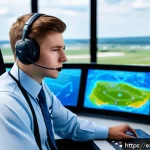
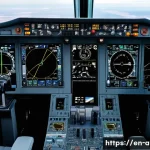
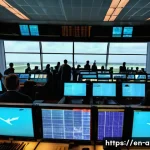
Have you ever looked up at a plane soaring gracefully across the sky and wondered about the magic behind its journey? We often focus on the pilots, the flight attendants, or even the bustling ground crew, but there’s a fascinating, high-stakes role that’s absolutely vital, yet often unseen: the airline dispatcher.
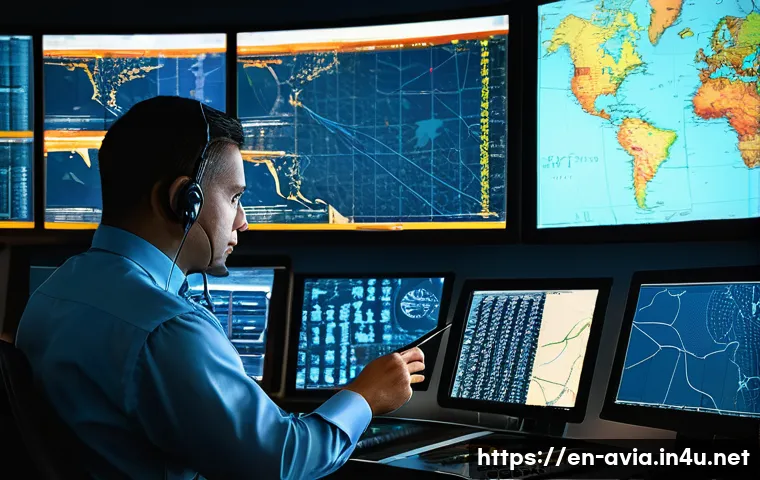
When I really dig into what makes a career truly satisfying, I find myself drawn to jobs that blend immense responsibility with a dynamic environment, and that’s exactly what being an airline dispatcher offers.
This isn’t just about shuffling papers; it’s about making critical, real-time decisions that ensure hundreds of lives arrive safely at their destination, all while navigating unpredictable weather and complex airspace.
It’s a demanding gig, no doubt, and I’ve heard firsthand from folks in the industry about those intense moments when things go sideways, requiring nerves of steel and quick thinking.
Yet, what consistently stands out is the profound sense of purpose and the incredible job security this profession provides, especially with air travel booming globally.
From competitive salaries that can easily hit six figures at major carriers to those coveted travel perks that let you explore the world, it’s clear why so many find it a rewarding path.
But how does that demanding schedule truly balance out with personal life, and what does it *really* feel like to be the unsung hero of every flight? Let’s explore all these burning questions and more right now.
We’re going to dive deep into the real-world satisfaction of an airline dispatcher’s life.
The Thrill of Real-Time Decision-Making
There’s a certain adrenaline rush that comes with being an airline dispatcher, a feeling I’ve come to understand deeply after talking to many in the field. It’s not just about pushing buttons or following a checklist; it’s about making high-stakes decisions in real-time that directly impact hundreds of lives. Imagine a scenario where a sudden, unexpected weather front develops over a major flight path. The clock is ticking. You, the dispatcher, are the one coordinating with the pilot, assessing fuel reserves, considering alternate routes, and ensuring the safest, most efficient path forward. I’ve heard stories of dispatchers who, in the heat of the moment, have rerouted entire flights with incredible precision, avoiding severe turbulence or hazardous storms that could have had serious consequences. This isn’t just a job; it’s a dynamic puzzle you’re solving with immense responsibility. It’s that moment when you see the flight land safely, knowing your quick thinking played a pivotal role, that truly makes your chest swell with pride. The mental agility required is something truly impressive, and it’s a skill that’s constantly honed and tested, making every day unique and challenging in the best possible way.
When Every Second Counts
You know that feeling when you’re driving and suddenly have to react to an unexpected obstacle? Now multiply that by a thousand and put hundreds of lives in your hands. That’s a typical Tuesday for an airline dispatcher. The rapid-fire communication, the constant monitoring of countless data points, and the need to synthesize information instantly – it’s an exhilarating dance. It’s not about being reckless; it’s about being prepared, skilled, and having the mental fortitude to make sound judgments under pressure. I remember one dispatcher telling me about a flight encountering an unexpected mechanical issue mid-flight. The dispatcher had to quickly find the nearest suitable airport, check its capabilities, coordinate with maintenance, and ensure the crew had all the necessary information. It’s a testament to their training and dedication that these situations are handled with such calm efficiency.
The Art of Strategic Flight Planning
Before a plane even leaves the gate, an airline dispatcher has often spent hours meticulously planning every detail of its journey. This isn’t just drawing a line on a map; it’s a complex ballet of optimizing routes for fuel efficiency, considering prevailing winds, navigating restricted airspace, and ensuring compliance with countless regulations. It’s like being a grand chess master, anticipating every move and counter-move long before it happens. My own fascination with logistics makes me admire this aspect immensely. They’re constantly weighing variables: saving fuel to reduce costs, ensuring passenger comfort by avoiding turbulent areas, and always, always prioritizing safety above all else. It’s a blend of science and art, where experience and intuition play just as big a role as data and algorithms.
Unsung Heroes: The Immense Responsibility and Impact
While pilots and flight attendants are the faces of air travel, airline dispatchers are the silent guardians, the unsung heroes working diligently behind the scenes. It’s a role that carries an immense weight of responsibility, one that truly resonates with people who thrive on making a tangible difference. Every flight plan they approve, every weather deviation they manage, every critical decision they make contributes directly to the safe and efficient transport of thousands of passengers daily. I’ve often thought about how much trust we implicitly place in these individuals, often without even knowing their names. They are the unseen backbone of the entire operation, and their dedication is truly profound. When you consider the sheer scale of the global aviation industry, the impact of a single dispatcher’s good judgment is truly staggering. They don’t seek the spotlight, but their quiet competence is absolutely essential, and that sense of vital contribution is a huge source of job satisfaction for many.
Safeguarding Lives, Every Flight
Let’s be real: when you step onto a plane, you’re putting your absolute trust in a whole system of professionals. The dispatcher is a huge part of that system. Their primary directive is always safety. They’re constantly evaluating potential risks, from volcanic ash advisories to runway conditions at destination airports. It’s a constant vigilance that I find incredibly admirable. They’re literally the last line of defense in many scenarios, making sure that every flight operates within the strictest safety parameters. This isn’t a job where you can ever let your guard down, and that continuous commitment to safeguarding lives is a powerful motivator. It’s a unique kind of heroism, one that doesn’t wear a cape but instead relies on sharp intellect and unwavering dedication.
The Invisible Hand Guiding Thousands
Think about how many people fly every single day. Each one of those journeys has been carefully orchestrated and monitored by an airline dispatcher. They’re the invisible hand, guiding aircraft across continents and oceans, ensuring smooth transitions between different air traffic control regions and making sure that all the pieces of the complex aviation puzzle fit together seamlessly. From my perspective, it’s a role that requires incredible coordination and foresight. It’s not just about one flight; it’s about managing an entire fleet, ensuring that schedules are maintained, and minimizing disruptions across the entire network. This global impact, even if it’s not always recognized by the flying public, provides a deep sense of accomplishment for those in the profession.
Navigating the Skies: A Dynamic and Challenging Environment
If you’re someone who thrives on routine, then being an airline dispatcher might not be your cup of tea. But if you’re like me, someone who loves a job where no two days are ever truly the same, then this career offers an incredibly dynamic and challenging environment that keeps you on your toes. The variables they deal with are endless: weather patterns shift constantly, mechanical issues can arise unexpectedly, and air traffic control restrictions can change in an instant. This requires not just knowledge, but an extraordinary ability to adapt and think on the fly. It’s an intellectual battlefield, in the best possible way, where your problem-solving skills are constantly put to the test. I’ve personally always been drawn to fields that demand continuous learning and evolution, and the aviation world absolutely fits that bill. This constant state of flux means that dispatchers are always learning, always growing, and always finding new ways to optimize and respond to the ever-changing conditions of global air travel.
Weathering the Storms (Literally!)
The weather is arguably an airline dispatcher’s biggest adversary and their most constant companion. From hurricane season over the Atlantic to unexpected blizzards in the Midwest, they are constantly monitoring meteorological data, understanding its implications for flight paths, and making critical decisions to avoid hazardous conditions. It’s not just about diverting around a storm; it’s about understanding the nuances of wind shear, icing conditions, and turbulence, and then finding the safest and most fuel-efficient workaround. I recall a dispatcher recounting the intensity of guiding multiple flights through a severe thunderstorm complex, having to make split-second decisions for each aircraft. It’s a high-pressure situation that requires nerves of steel and an intimate understanding of atmospheric science.
Adapting to the Unpredictable
Beyond the weather, an airline dispatcher’s day is filled with a myriad of unpredictable challenges. Think about unforeseen runway closures, unexpected air traffic control delays, or even a sudden medical emergency onboard a flight requiring a diversion. Each of these scenarios demands immediate attention, swift analysis, and a well-coordinated response. It’s about maintaining a cool head when chaos is swirling around you and having the confidence to execute a plan that ensures safety and minimizes disruption. For someone like me who enjoys solving complex puzzles, the unpredictable nature of this job is incredibly appealing. It truly separates the good from the great, highlighting those who can not only react but proactively manage situations before they escalate.
Beyond the Desk: Exploring Career Growth and Security
When I look for a truly satisfying career path, I always weigh the immediate benefits against the long-term prospects. And let me tell you, being an airline dispatcher scores incredibly high on both counts, especially when it comes to career growth and security. The demand for qualified dispatchers remains consistently strong, driven by the ever-expanding global air travel industry. This isn’t a fleeting trend; it’s a foundational role in an essential industry. What’s more, the skills you develop as a dispatcher – critical thinking, problem-solving under pressure, communication, and logistical mastery – are highly transferable and valued in many other aviation sectors. I’ve known dispatchers who’ve transitioned into operations management, training, or even flight safety roles, showcasing a clear pathway for advancement. It’s a career that offers not just a stable paycheck, but a genuine future with diverse opportunities for those who are ambitious and eager to learn.
A Future as Bright as the Horizon
With air travel continuing its upward trajectory worldwide, the need for skilled airline dispatchers is only going to grow. This isn’t a job facing automation threats in the same way some others might be; the human element of judgment, intuition, and real-time decision-making is simply irreplaceable. This translates into fantastic job security. It’s reassuring to know that your expertise will always be in demand. I personally value a career that feels future-proof, and the aviation industry, with its continuous innovation and expansion, certainly offers that. The global interconnectedness means that international carriers, cargo operators, and even private jet companies all require the same core dispatcher skills, opening up a world of possibilities.
Climbing the Ranks: Opportunities Await
Being an airline dispatcher isn’t a terminal position; it’s often a springboard to further opportunities within aviation. Many start as entry-level dispatchers and, with experience and further training, can advance to senior dispatcher roles, lead dispatcher positions, or even move into management. There are also paths to become instructors at dispatcher schools, consultants for smaller airlines, or specialists in areas like flight safety or operations control centers. I’ve seen firsthand how a solid foundation as a dispatcher can open doors you might never have imagined. It’s a career that genuinely rewards ambition and a commitment to continuous professional development, offering a clear roadmap for those looking to climb the ladder.
The Perks of the Profession: Travel and Lifestyle
Alright, let’s be honest. Beyond the responsibility and the challenge, we all love a good perk, right? And being an airline dispatcher comes with some seriously enviable benefits, especially when it comes to travel. Think about it: working for an airline often means incredible travel privileges, allowing you to explore the world at a fraction of the cost. I’ve always dreamed of seeing new places, and this job literally puts the world within reach. But it’s not just about the travel; it’s also about the competitive salaries that many dispatchers command, easily hitting six figures at major carriers once you gain experience. This financial stability, combined with the travel perks, can lead to a really fantastic lifestyle. It’s about more than just a job; it’s about the doors it opens for your personal life and adventures, making those demanding shifts feel even more worthwhile. It’s a compelling package that draws many to the field, myself included in terms of sheer fascination.
Jet-Setting on a Dime: Travel Benefits
This is probably the perk that makes most people’s eyes light up. Discounted or even free travel, not just for you but often for your family, is a massive draw. Imagine spontaneous weekend getaways to a different city or long-haul trips to exotic destinations without breaking the bank. It’s not just a fantasy; it’s a reality for many airline employees, including dispatchers. I’ve heard countless stories of dispatchers leveraging these benefits to see the world, visiting places they only dreamed of before. This opportunity for extensive travel, combined with a steady income, truly elevates the quality of life and makes the hard work feel incredibly rewarding. It’s a benefit that truly adds a unique flavor to the career, making it more than just a 9-to-5.
The Six-Figure Dream: Earning Potential
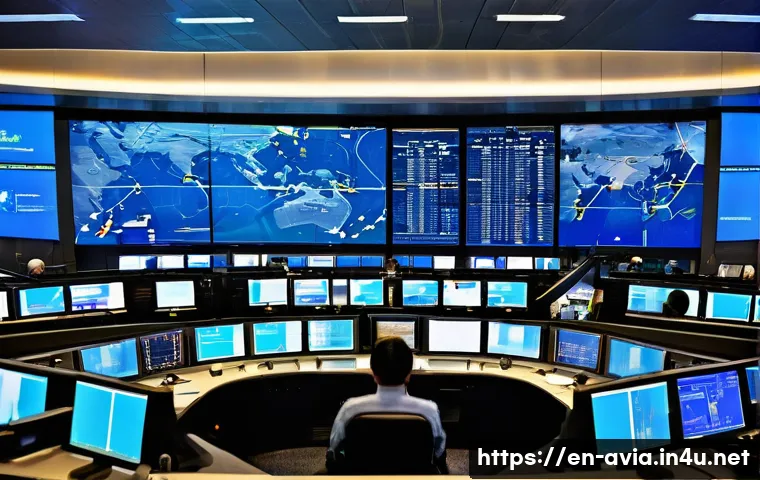
Let’s talk numbers because, ultimately, a satisfying career also means financial security. The earning potential for airline dispatchers is genuinely impressive. While starting salaries might be modest, with experience and at major airlines, six-figure incomes are well within reach. This kind of financial stability provides peace of mind and allows for a comfortable lifestyle, something many aspire to. It’s a career where your hard work and expertise are directly rewarded, making it a highly attractive option for those looking for a profession with robust earning power. When you combine this with the incredible travel benefits, you start to see why this role is so highly sought after.
Balancing the Demands: Work-Life Reality
Okay, let’s keep it real. Every job has its trade-offs, and being an airline dispatcher is no exception. While the rewards are substantial, it’s a demanding role that often involves shift work, including nights, weekends, and holidays. This can be a significant adjustment for some, and it’s something I’ve often discussed with professionals in the field. However, what consistently comes up is the ability to adapt and find a rhythm that works for you. Many dispatchers emphasize the flexibility that shift work can sometimes offer – longer blocks of time off during the week, for instance, which can be great for avoiding crowds or pursuing hobbies. It’s about being intentional with your off-time and really making the most of it. It’s certainly not a traditional 9-to-5, but for those who embrace the unique schedule, a truly fulfilling work-life balance is absolutely achievable, especially when you factor in the benefits that allow for incredible experiences during your time off.
Shift Work and Personal Time
The 24/7 nature of air travel means dispatchers work around the clock. This often translates into rotating shifts, which can include early mornings, late nights, and weekends. It takes some getting used to, and it’s definitely a lifestyle change. However, many dispatchers actually grow to appreciate the flexibility. Imagine having weekdays free to run errands, go to appointments, or enjoy activities when others are at work. I’ve heard stories of people scheduling their lives around their shifts, finding unique ways to spend time with family and friends. It requires a bit of creative scheduling, but it’s far from impossible to maintain a robust personal life. It’s all about finding your personal rhythm within the demands of the job.
Finding Your Rhythm in a 24/7 World
Adapting to a non-traditional schedule is key to thriving as a dispatcher. It’s about prioritizing self-care, maintaining healthy routines, and effectively communicating your availability to loved ones. The good news is that airlines are generally very structured, and schedules are typically known well in advance, allowing for careful planning. Many dispatchers become masters of time management, learning how to maximize their downtime and ensure they get adequate rest. It’s a testament to their dedication that they make it work so well. The sense of purpose from the job itself often fuels their ability to balance these demands, making the unique schedule feel less like a burden and more like an integral part of a deeply rewarding career.
The Power of Preparation: Safety First, Always
At the very heart of being an airline dispatcher lies an unwavering commitment to safety. This isn’t just a buzzword; it’s the bedrock of every decision, every calculation, and every communication. I’ve always been deeply impressed by the sheer meticulousness and thoroughness that goes into every single flight plan. It’s not about cutting corners; it’s about anticipating every potential issue and having a contingency plan in place. This focus on preparation creates an environment of immense confidence, not just for the passengers and crew, but for the dispatchers themselves. Knowing you’ve done everything in your power to ensure a safe journey is a profoundly satisfying feeling, one that I believe contributes significantly to the overall job satisfaction in this profession. It’s a constant drive for perfection, where even the smallest detail can have massive implications, and that kind of responsibility demands and fosters incredible professionalism.
Pre-Flight Briefings: The Foundation of Safety
Long before a flight departs, the dispatcher is deeply engrossed in a detailed pre-flight briefing. This involves analyzing weather reports, reviewing NOTAMs (Notices to Airmen), checking aircraft performance data, and ensuring all regulatory requirements are met. It’s a comprehensive deep dive into everything that could possibly affect the flight. I’ve seen how dispatchers meticulously go through checklists, cross-referencing information and collaborating closely with the flight crew. This intense preparation is what builds the foundation for a safe journey. It’s an exhaustive process, but it’s absolutely essential, and the satisfaction comes from knowing you’ve left no stone unturned in ensuring the safest possible flight path.
Continuous Learning: Staying Ahead of the Curve
The world of aviation is constantly evolving, with new technologies, updated regulations, and changing environmental factors. This means that for an airline dispatcher, continuous learning isn’t just a recommendation; it’s a necessity. They are constantly undergoing training, staying abreast of the latest industry standards, and refining their skills. This commitment to ongoing education is a huge part of maintaining expertise and authority in the role. For someone like me who loves to learn and grow, this aspect of the job is incredibly appealing. It ensures that dispatchers remain at the cutting edge of aviation safety and efficiency, making them truly invaluable to the entire operation.
Understanding the core responsibilities of an airline dispatcher can really help put into perspective the immense satisfaction they derive from their work. It’s a unique blend of high-tech analysis, critical decision-making, and unwavering dedication to safety. I often think about how many unseen layers of expertise contribute to every seamless flight we take. The job isn’t just about managing a route; it’s about being the vital link between the ground operations and the flight deck, ensuring everything aligns perfectly for a safe and efficient journey. This isn’t for everyone, of course, but for those with a keen mind for logistics and a calm demeanor under pressure, it’s a career that offers an incredible sense of purpose and achievement. It’s a testament to human ingenuity and commitment, playing a crucial part in connecting our world, one safe flight at a time. The next time you’re on a plane, maybe spare a thought for the skilled professional on the ground who made your journey possible, a truly unsung hero of the skies.
| Aspect of Job | Description & Satisfaction Factor |
|---|---|
| Flight Planning & Optimization | Meticulously crafting the safest and most fuel-efficient routes, considering weather, airspace, and aircraft performance. High satisfaction from problem-solving and seeing plans executed successfully. |
| Real-time Monitoring & Decision-making | Continuously tracking flights, analyzing developing situations (weather, mechanical issues), and coordinating with pilots and ATC for immediate adjustments. Deep sense of purpose from safeguarding lives. |
| Regulatory Compliance | Ensuring every aspect of the flight adheres to strict aviation laws and company policies. Satisfaction comes from maintaining high standards of safety and professionalism. |
| Risk Assessment | Identifying potential hazards pre-flight and in-flight, from severe weather to airport operational issues, and developing mitigation strategies. Sense of control and impact on outcomes. |
| Communication & Coordination | Constant interaction with pilots, air traffic control, maintenance, and ground staff. Enjoyment from effective team collaboration and clear, concise communication in critical situations. |
Wrapping Up My Thoughts
Honestly, diving deep into the world of an airline dispatcher has been truly eye-opening, and I hope it’s been just as fascinating for you. It’s a career that perfectly marries the thrill of real-time problem-solving with the immense satisfaction of safeguarding lives and ensuring smooth global connections. I’ve always been drawn to roles where skill and responsibility converge, and this one truly stands out. It’s not just a job; it’s a vital cog in the magnificent machine of air travel, powered by individuals whose dedication and expertise often go unnoticed. Their quiet competence is what keeps our skies safe and our journeys efficient, and frankly, I find that incredibly inspiring.
Handy Tips You Should Know
1. If you’re seriously considering a career . Getting hands-on with the kind of scenarios they face daily can give you a real edge and a much clearer understanding of the role.
2. Don’t underestimate the power of networking! Connecting with current dispatchers can open doors to invaluable insights, mentorship, and even potential job opportunities down the line. Their real-world stories are pure gold.
3. Seriously, hone your communication skills. In a field where every second counts and clarity is paramount, being able to convey complex information precisely and calmly is absolutely non-negotiable. It’s a skill you’ll use constantly.
4. Be ready for a journey of continuous learning. The aviation world never stands still, with new technologies and regulations emerging regularly. Embracing this constant evolution will make you an invaluable asset in the long run.
5. While the shift work can seem daunting at first, remember it often comes with unique benefits like extended time off during weekdays. Learning to structure your personal life around this can actually unlock more freedom than a traditional 9-to-5.
Key Points to Remember
Ultimately, being an airline dispatcher is a demanding yet profoundly rewarding career. It’s a role that offers substantial job security, a clear path for professional growth, and incredibly attractive perks, especially those travel benefits we all dream about! It truly is a high-impact position that requires sharp intellect, unwavering dedication to safety, and an impressive ability to adapt to the unpredictable nature of global air travel. If you thrive on challenge and possess a cool head under pressure, this might just be the career you’ve been searching for.
Frequently Asked Questions (FAQ) 📖
Q: So, what does an airline dispatcher actually do, and why is everyone saying they’re so vital to safe flights?
A: Oh, this is such a fantastic question, and one I love to dive into because it really gets to the heart of aviation! You know how we always hear about pilots guiding the plane?
Well, imagine a “pilot on the ground” working in perfect sync with them, making sure every flight is not just smooth, but incredibly safe and efficient.
That’s essentially what an airline dispatcher does. These professionals are the brains behind the operational side of every journey. From my understanding and what I’ve seen in the industry, their responsibilities are huge.
They’re meticulously planning flight paths, considering everything from the most up-to-the-minute weather forecasts – think turbulence zones, potential storms, even the direction of upper winds – to the aircraft’s performance capabilities, fuel requirements, and navigating complex airspace restrictions.
They then “release” the flight, sharing legal operational control with the captain. But it doesn’t stop once the plane pushes back from the gate. Nope!
Dispatchers are constantly monitoring the flight in real-time, acting like air traffic control’s best friend and the pilot’s guardian angel. If weather patterns shift unexpectedly, if there’s an air traffic control reroute, or even an unforeseen mechanical issue, it’s the dispatcher who works with the crew to adjust the flight plan, find alternate airports, and make those critical, split-second decisions that keep everyone safe.
It’s a high-stakes, dynamic dance of data analysis, communication, and decision-making, and their expertise truly ensures hundreds of lives arrive safely at their destination.
Honestly, without them, the intricate ballet of modern air travel simply wouldn’t be possible. They really are the unsung heroes of every flight, and their role in upholding safety standards is absolutely non-negotiable.
Q: I’m curious about the real day-to-day. What are the biggest hurdles dispatchers face, and how do they balance those intense moments with a personal life?
A: That’s a super insightful question because it touches on the human element behind such a high-tech job! From talking to folks in the field, I can tell you that the day-to-day for an airline dispatcher is a fascinating blend of routine and intense, unexpected challenges.
One of the biggest hurdles, hands down, is the constant need for rapid and accurate decision-making in the face of rapidly changing conditions. Picture this: you’ve planned a perfect flight, and suddenly, a massive thunderstorm pops up directly in the aircraft’s path.
Or maybe there’s an unexpected runway closure at the destination. Dispatchers have to process all that real-time information, assess the risks, and quickly coordinate with pilots and air traffic control to find the safest and most efficient alternative.
This isn’t just about one flight; they’re often managing multiple flights simultaneously, which demands incredible multitasking skills and nerves of steel.
Now, regarding work-life balance, that’s where it gets a bit tricky, and honestly, it’s one of the most common concerns I hear. Because air travel operates 24/7, so do dispatchers.
This often means working irregular hours, including nights, weekends, and holidays. I’ve heard stories where you might be on-call or need to jump in when things go sideways, even on your “off” hours.
It can definitely take a toll, and there’s a risk of burnout if you don’t actively set boundaries. However, many dispatchers find ways to make it work.
Some leverage the block of days off they get to pursue hobbies or spend quality time with family. Others make a conscious effort to disconnect when they’re not on duty.
It really comes down to individual resilience, the specific airline’s culture, and having a strong support system. It’s a demanding gig, no doubt, but the profound sense of purpose they feel in ensuring safety often makes the trade-offs worthwhile for many.
Q: With all the talk about job security and great pay, is becoming an airline dispatcher really a smart career move for the long haul?
A: Absolutely, this is a question on many aspiring professionals’ minds, and from what I’ve observed in the aviation world, the answer is a resounding “yes,” with a few nuances to consider!
The aviation industry, especially air travel, is projected to keep growing globally, which naturally fuels the demand for skilled professionals like airline dispatchers.
In fact, some analyses project significant job growth over the next decade. This means incredible job security, which is a huge comfort in today’s unpredictable world.
Knowing your skills are in constant demand offers a sense of stability that’s hard to beat. And let’s talk about the pay – because that’s often a major factor, right?
While starting salaries might vary, the earning potential in this field is genuinely impressive. I’ve seen figures showing that experienced dispatchers at major carriers can easily command six-figure salaries, especially when you factor in bonuses and other benefits.
For example, average annual pay in the US can range from around $57,000 to over $90,000 for top earners, and some senior roles push well past that, even up to $150,000 annually.
That’s a seriously competitive salary for a career that doesn’t require the extensive and costly training of, say, becoming a pilot. Plus, let’s not forget those often-coveted travel perks that many airline employees enjoy – getting to explore the world on standby is a pretty sweet bonus!
While the market for major airlines can be competitive, starting at a regional airline or even exploring opportunities with the Department of Defense can be a fantastic way to gain invaluable experience and build your career for the long haul.
It’s truly a path that blends purpose, stability, and financial reward.