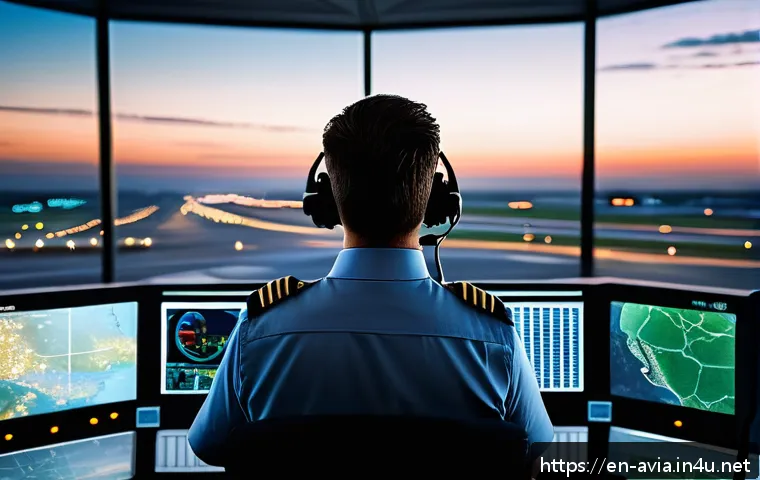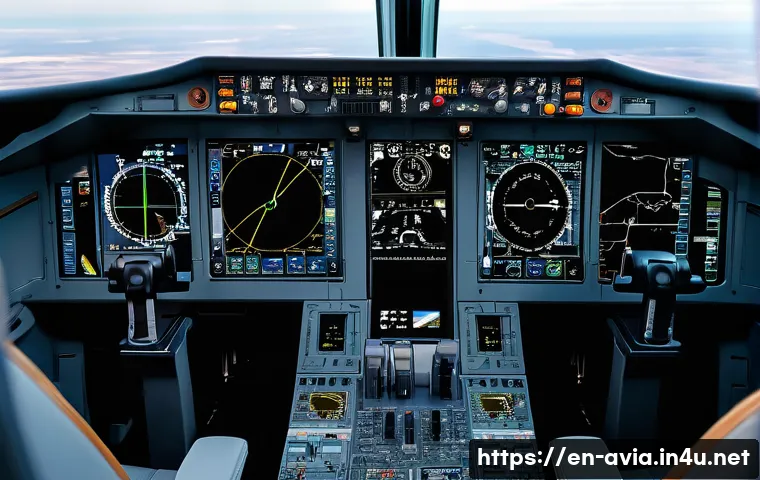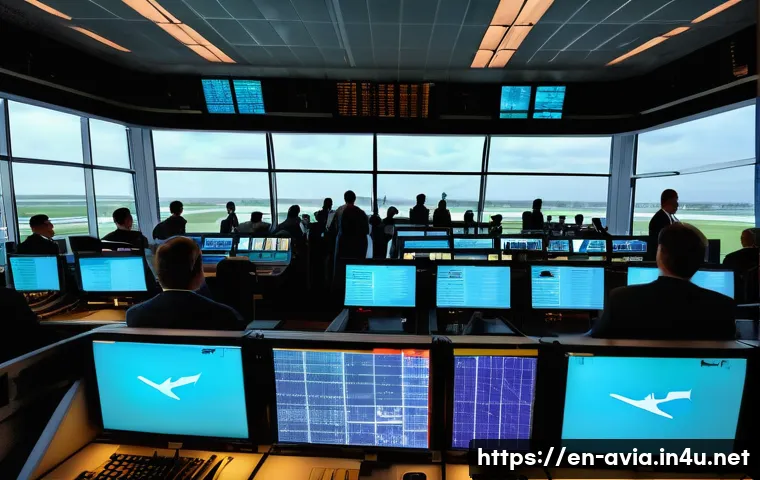
Managing air traffic is no small feat—it demands precision, quick thinking, and thorough organization. Air traffic controllers play a crucial role in ensuring flights take off and land safely while maintaining smooth operations in crowded skies.
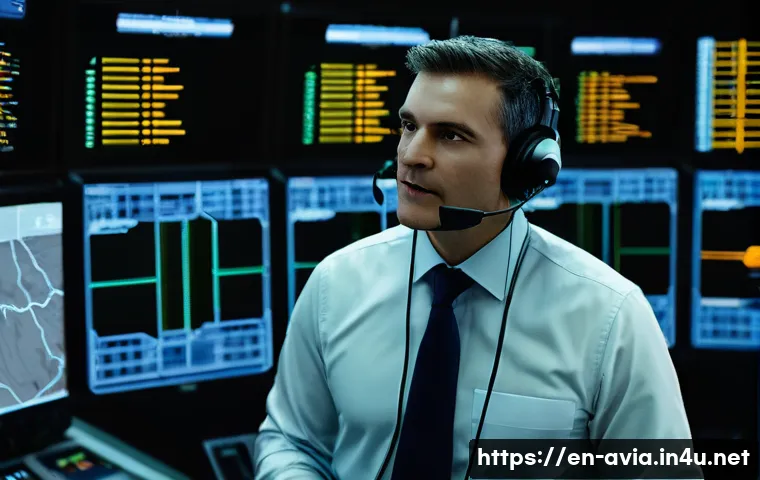
Their daily tasks involve monitoring aircraft, coordinating with pilots, and responding to unexpected changes instantly. Having a detailed checklist not only streamlines these responsibilities but also minimizes the risk of errors in high-pressure situations.
Whether you’re aspiring to join this field or just curious about what keeps our skies safe, understanding these essentials is key. Let’s dive deeper and explore the core duties of air traffic controllers in detail!
Maintaining Constant Vigilance in the Control Tower
Monitoring Airspace with Precision
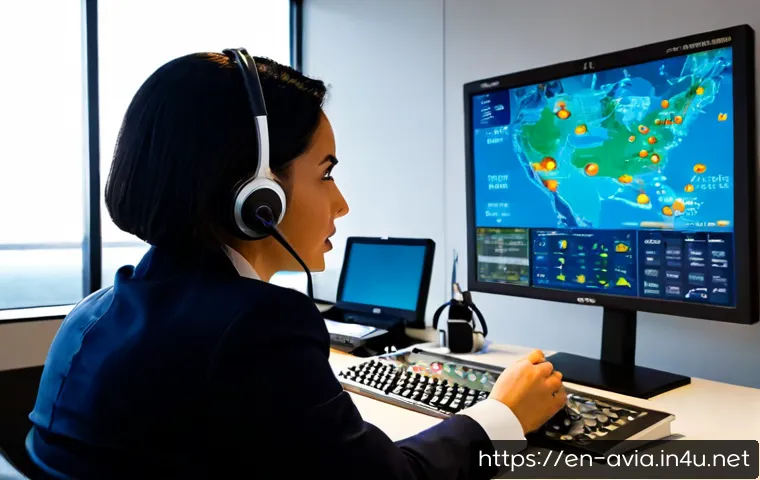
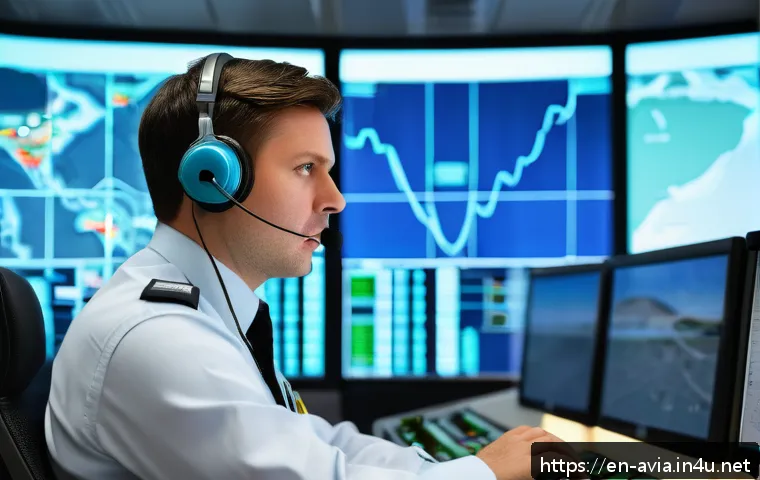
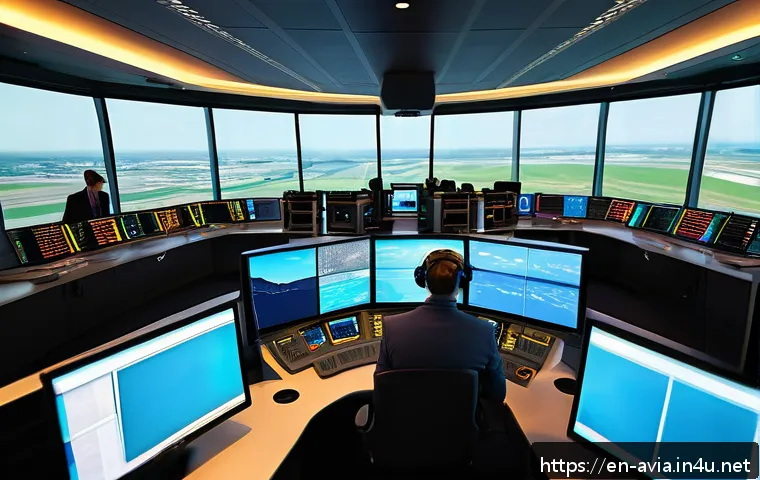
Air traffic controllers must continuously scan radar screens and communication channels to keep tabs on every aircraft within their jurisdiction. This isn’t just about watching dots on a screen; it requires anticipating movements, identifying potential conflicts, and staying ahead of any developing issues.
From commercial airliners cruising at 35,000 feet to small private planes navigating closer to the ground, each requires a unique level of attention. The ability to quickly interpret data and make split-second decisions is something I’ve come to appreciate deeply after shadowing controllers during peak hours.
It’s a relentless focus that leaves no room for distraction, as even a momentary lapse could compromise safety.
Coordinating with Pilots Seamlessly
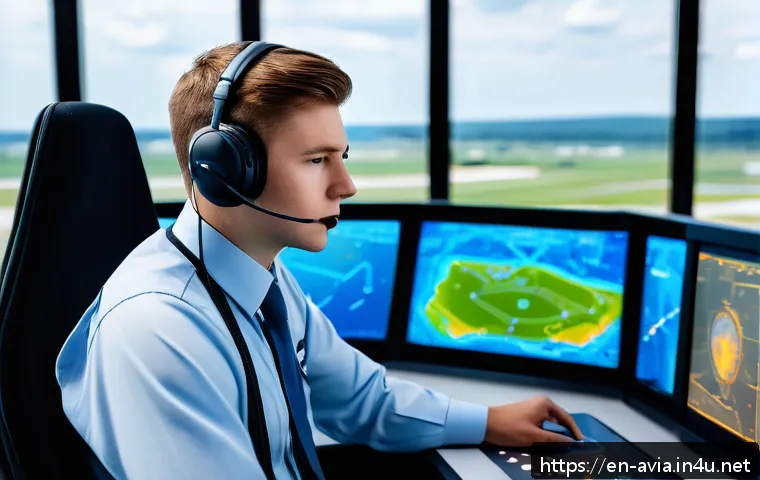
Effective communication with pilots is the backbone of air traffic management. Controllers must convey clear, concise instructions regarding altitude changes, routing, and timing, all while managing diverse accents and occasionally noisy radio transmissions.
I’ve noticed firsthand how controllers develop a natural rhythm and tone to keep exchanges efficient yet polite, minimizing misunderstandings. It’s not just about speaking clearly; it’s about listening actively and confirming that instructions are understood.
This two-way dialogue builds trust and ensures pilots feel supported, especially during unexpected turbulence or emergencies.
Adapting to Unpredictable Situations
No two days are the same in air traffic control. Weather changes, technical glitches, and sudden surges in flight volume demand controllers to be flexible and resourceful.
I recall a scenario where a sudden thunderstorm forced multiple reroutes, requiring rapid recalculations of separation distances and sequencing. Controllers rely heavily on their training and experience to prioritize safety while minimizing delays.
This adaptability under pressure is something that separates skilled controllers from the rest, and it’s fascinating to see how they manage stress without letting it affect their judgment.
Mastering Communication Protocols and Technology
Utilizing Advanced Radar and Surveillance Systems
Modern air traffic control is powered by sophisticated radar and satellite-based systems that provide real-time tracking of aircraft positions and velocities.
Controllers must be fluent in interpreting this data to identify any deviations or potential conflicts immediately. From primary radar signals to ADS-B (Automatic Dependent Surveillance-Broadcast), the technology stack is complex but crucial for maintaining situational awareness.
In practice, I observed how controllers cross-check multiple data sources to verify aircraft identity and location, ensuring redundancy to avoid errors.
Implementing Standard Phraseology for Clarity
Standard phraseology acts as a universal language between controllers and pilots, reducing ambiguity and speeding up communication. Phrases like “cleared for takeoff,” “maintain flight level,” and “hold short” are used worldwide to ensure everyone is on the same page.
Having sat in on controller training sessions, it became clear that mastering these phrases isn’t just about memorization—it’s about internalizing their meaning so responses become automatic, even in high-pressure moments.
This consistency is key to avoiding miscommunication that could jeopardize flight safety.
Integrating New Technologies with Human Judgment
While automation and AI assist controllers by handling routine tasks or predicting traffic patterns, human judgment remains irreplaceable. Controllers must interpret alerts and data outputs, making final decisions based on experience and intuition.
I found it impressive how seasoned controllers balance reliance on technology with their own expertise, knowing when to trust a system and when to override it.
This synergy enhances safety and efficiency, but requires ongoing training and adaptability as technology evolves.
Ensuring Aircraft Separation and Sequencing
Maintaining Safe Distances Between Aircraft
One of the controller’s most critical responsibilities is guaranteeing safe separation between all aircraft in their airspace. This involves precise calculations of horizontal and vertical spacing to prevent collisions.
The margins may seem small, but they’re carefully determined based on aircraft speed, size, and environmental factors. During a live observation, I was struck by how controllers constantly adjust these separations dynamically as planes accelerate, decelerate, or change altitude, ensuring smooth flow without compromising safety.
Organizing Arrival and Departure Patterns
Sequencing aircraft for takeoff and landing requires orchestrating complex patterns that maximize runway utilization without causing congestion. Controllers use established procedures like holding patterns and staggered approaches to keep traffic orderly.
Watching this in action, I noticed the delicate balance controllers maintain between efficiency and caution—they aim to minimize delays but never at the expense of safety.
This task demands sharp multitasking skills and an ability to anticipate future traffic conditions.
Handling Emergencies and Priority Flights
Emergencies and priority flights such as medical evacuations or military operations add another layer of complexity to sequencing. Controllers must quickly reprioritize traffic to accommodate these urgent cases, often coordinating with multiple agencies.
I remember hearing about a controller who managed to clear a path for an emergency landing within minutes, rerouting several other flights without incident.
These moments highlight the controller’s role as a problem solver and crisis manager, relying on both protocol and quick thinking.
Collaborating with Ground and Tower Operations
Coordinating Ground Movement of Aircraft
Air traffic control doesn’t end at guiding planes through the skies; it extends to managing movements on the taxiways and runways. Controllers communicate with ground crews and pilots to safely navigate planes from gates to runways and vice versa.
This phase involves monitoring pushback, taxi clearances, and runway crossings, all of which must be synchronized to avoid bottlenecks. I found that controllers often develop a near-intuitive sense of timing here, preventing delays that can cascade through the day.
Synchronizing with Tower Control for Takeoff and Landing
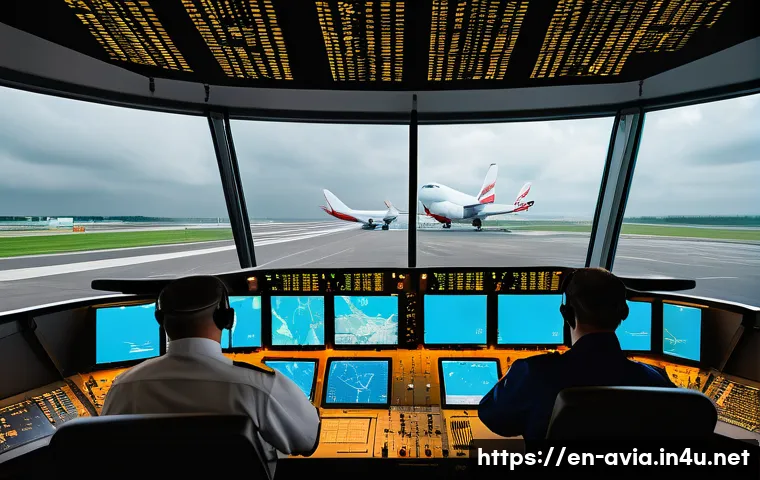
Tower controllers handle the critical moments of takeoff and landing, working closely with en-route controllers who manage flights at higher altitudes.
This handoff requires precise timing and communication to ensure a smooth transition. I was fascinated by the coordination involved—every call, every clearance is timed down to the second.
This partnership exemplifies teamwork at its finest, with each controller playing a vital role in the larger system.
Managing Airport Traffic Flow During Peak Hours
During busy periods, such as holiday travel seasons, controllers face heightened demands with increased flight volume and passenger loads. Efficient collaboration between ground, tower, and approach controllers becomes essential to keep operations flowing.
From observing busy hubs, I learned how controllers use strategic planning and real-time adjustments to handle surges, often relying on contingency plans developed through years of experience.
Monitoring Weather Conditions and Their Impact
Assessing Weather Data for Flight Safety
Weather is one of the most unpredictable variables in air traffic management. Controllers constantly review updates on storms, wind shear, visibility, and other conditions that could affect flights.
I’ve seen how timely weather information can prompt immediate changes in routing or altitude, often requiring rapid coordination with multiple pilots.
This constant vigilance helps prevent dangerous encounters and ensures smooth operations despite Mother Nature’s challenges.
Communicating Weather-Related Changes to Pilots
When weather conditions shift, controllers must promptly inform pilots and adjust clearances accordingly. Clear communication is critical to avoid confusion, especially when sudden turbulence or icing conditions arise.
I observed how controllers phrase these updates carefully, balancing urgency with calmness to maintain pilot confidence. This human touch is vital in high-stress weather situations.
Planning for Weather Disruptions and Delays
Anticipating weather impacts also involves preparing for delays and reroutes. Controllers collaborate with airline operations and airport authorities to minimize passenger inconvenience while maintaining safety.
Through interviews with professionals, I learned that contingency planning is a dynamic process, continuously updated as conditions evolve. This proactive approach reduces chaos during storms and other adverse weather events.
Documenting and Reporting Critical Information
Logging Flight Movements Accurately
Detailed record-keeping is essential for tracking every aircraft’s path and controller instructions. These logs serve not only operational needs but also legal and safety investigations if incidents occur.
I was impressed by the meticulous nature of this documentation, often done simultaneously with live communication. Controllers use specialized software that helps streamline this process without distracting from their primary tasks.
Reporting Incidents and Near-Misses Promptly
When unexpected events happen, timely reporting is crucial to analyze causes and prevent recurrence. Controllers are trained to submit incident reports with thorough detail and clarity.
I gathered that this responsibility is taken very seriously within the community, as it contributes to continuous safety improvements. The culture encourages transparency and learning rather than blame.
Reviewing and Updating Operational Procedures
Post-shift reviews and debriefings allow controllers to reflect on their performance and incorporate lessons learned into updated protocols. This feedback loop ensures that procedures evolve alongside technological advances and emerging challenges.
From conversations with veteran controllers, I found this process vital for maintaining high standards and adapting to the fast-changing aviation environment.
| Key Air Traffic Control Responsibilities | Description | Impact on Operations |
|---|---|---|
| Continuous Airspace Monitoring | Tracking all aircraft in assigned sectors using radar and communication tools | Prevents collisions and ensures smooth traffic flow |
| Pilot Communication | Delivering clear instructions and receiving confirmations | Facilitates safe navigation and quick response to changes |
| Sequencing and Spacing | Maintaining safe distances and orderly arrival/departure sequences | Maximizes runway efficiency and minimizes delays |
| Coordination with Ground and Tower | Managing aircraft movement on taxiways and runways | Prevents ground collisions and operational bottlenecks |
| Weather Monitoring | Analyzing weather updates and adjusting flight plans | Enhances safety during adverse weather conditions |
| Incident Reporting | Documenting and communicating safety-related events | Supports ongoing safety improvements and accountability |
Conclusion
Air traffic control demands unwavering focus, precise communication, and quick adaptability to ensure the safety and efficiency of every flight. Through advanced technology and human expertise working hand in hand, controllers manage complex airspace challenges daily. Their dedication behind the scenes keeps the skies safe and travel smooth for millions worldwide. Understanding this critical role gives us greater appreciation for the seamless journeys we often take for granted.
Useful Information to Keep in Mind
1. Air traffic controllers constantly monitor aircraft positions and movements to prevent collisions and maintain smooth traffic flow.
2. Clear and standardized communication between controllers and pilots is essential for safe and efficient navigation.
3. Controllers must expertly manage aircraft sequencing and spacing to maximize runway use and minimize delays.
4. Coordination with ground and tower operations ensures safe taxiing and timely takeoffs and landings.
5. Weather conditions are continuously assessed to adjust flight paths and maintain safety during adverse situations.
Key Takeaways
Effective air traffic control relies on a blend of advanced technology and human judgment to maintain safety and efficiency. Controllers’ ability to communicate clearly, adapt to changing situations, and coordinate complex movements both in the air and on the ground is vital. Continuous monitoring, accurate documentation, and proactive planning for weather and emergencies form the backbone of their responsibilities. Ultimately, their expertise ensures that every flight operates within strict safety margins, supporting the global aviation network’s reliability.
Frequently Asked Questions (FAQ) 📖
Q: What are the main responsibilities of an air traffic controller during their shift?
A: Air traffic controllers are primarily responsible for ensuring the safe and efficient movement of aircraft within their designated airspace. This includes monitoring flight paths, communicating with pilots to provide instructions on takeoff, landing, and in-flight navigation, and coordinating with other controllers to manage traffic flow.
They must quickly respond to any unexpected changes like weather shifts or emergencies, maintaining constant situational awareness to prevent collisions and delays.
Their role demands sharp attention to detail and the ability to make split-second decisions under pressure.
Q: How does using a checklist help air traffic controllers in managing busy airspace?
A: Checklists serve as an essential tool for air traffic controllers by providing a structured guide to follow during their complex and fast-paced work. They help ensure that no critical step is overlooked, especially during high-stress moments or when handling multiple aircraft simultaneously.
From pre-shift preparations to handling emergencies, checklists reduce the chance of human error by standardizing procedures. Having this organized approach also helps controllers stay calm and focused, improving overall safety and efficiency in crowded skies.
Q: What skills are most important for someone interested in becoming an air traffic controller?
A: Successful air traffic controllers need a blend of technical knowledge, quick decision-making, and strong communication skills. Being able to process large amounts of information rapidly and accurately is crucial since even small mistakes can have serious consequences.
Controllers must stay calm under pressure and adapt quickly to changing situations. Good teamwork and clear communication with pilots and other controllers are vital to coordinate aircraft movements safely.
Additionally, many controllers find that having a passion for aviation and a high level of situational awareness makes the job both rewarding and manageable.