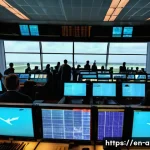
Ever wondered about the invisible ballet that keeps thousands of planes safely in the sky every single day? It’s a world far more intricate than just pilots and air traffic controllers, a realm where meticulous planning meets iron-clad rules.
The unsung heroes? Flight Operations Managers, constantly navigating a labyrinth of aviation regulations that are evolving faster than ever with groundbreaking tech like AI and the urgent shift to sustainable aviation fuels.
It’s fascinating, challenging, and absolutely vital to every journey we take. Let’s dive deeper into what makes this world tick, shall we? As someone who has seen the aviation industry transform dramatically over the years, I can tell you that the role of a Flight Operations Manager is more critical and dynamic than ever before.
It’s not just about scheduling flights; it’s about being the ultimate guardian of safety and efficiency, making real-time decisions that impact thousands of lives and millions in operational costs.
My experience has shown me that these professionals are the very backbone of an airline, continuously adapting to an ever-changing landscape of technology and stringent global rules.
Just recently, I was struck by how quickly AI is being woven into the fabric of daily operations, from optimizing flight paths to dramatically improving predictive maintenance.
I’ve personally witnessed how these intelligent systems are allowing airlines to foresee potential issues before they even arise, significantly reducing downtime and enhancing safety.
But here’s the kicker: while AI is an incredible assistant, the human expertise of an Operations Manager is still irreplaceable when it comes to navigating unforeseen challenges or making those nuanced judgment calls.
Then there’s the monumental push towards sustainability. We’re talking about Sustainable Aviation Fuels (SAF) becoming a standard, not just an aspiration.
Regulatory bodies worldwide are implementing mandates that will redefine how we fuel our aircraft, a change that requires a deep understanding of new compliance requirements and an innovative approach to logistics.
It’s a challenging but exciting time, demanding that we rethink everything from emissions reporting to supply chain management. And let’s not forget the buzzing skies filled with drones!
The integration of unmanned aerial systems into controlled airspace, especially for things like package delivery or infrastructure inspection, is creating an entirely new frontier for aviation regulations.
Ensuring these new entrants operate safely alongside traditional aircraft requires constant vigilance and the development of entirely new rulebooks. Trust me, staying on top of these developments, along with emerging cybersecurity threats that could cripple an airline, is a full-time job in itself.
The aviation world truly never sleeps, and neither do the brilliant minds ensuring its safe and prosperous flight into the future. It’s an incredibly rewarding field for those passionate about precision and continuous learning, and I’m always amazed by the dedication I see from my colleagues.
The Orchestrators of the Skies: Beyond the Cockpit

The Unseen Hands: What a Flight Ops Manager Really Does
When you board a plane, your mind is probably on your destination, maybe the movie you’ll watch, or the meal you’ll enjoy. But behind every single successful flight, there’s a small army of dedicated professionals, and among them, the Flight Operations Manager stands as a true linchpin.
My years in this incredibly dynamic industry have given me a front-row seat to their tireless work. They’re not just scheduling flights; they’re literally engineering a symphony of complex variables.
Think about it: a flight isn’t just point A to point B. It’s about ensuring the aircraft is airworthy, the crew is rested and qualified, the flight path avoids weather hazards and restricted airspace, and every piece of paperwork – digital or physical – is perfectly in order.
They manage fuel loads, optimize routes for efficiency and safety, and make real-time decisions that can mean the difference between a smooth journey and a significant delay, or worse.
I’ve personally witnessed the sheer mental agility required when unexpected events, like a sudden storm or an airspace closure, force an entire flight plan to be rewritten on the fly.
It’s a constant juggle of logistics, human factors, and technical requirements, all under immense pressure. They really are the unsung heroes who ensure everything aligns for a safe and timely departure and arrival.
A Day in the Life: High Stakes and Quick Decisions
Imagine walking into an office where every decision could directly impact hundreds of lives and millions of dollars. That’s essentially the daily reality for a Flight Operations Manager.
From the moment they clock in, their day is a whirlwind of data analysis, communication with pilots, air traffic control, maintenance teams, and ground staff.
I remember one particularly challenging morning when an unexpected fog rolled into a major hub, causing massive disruptions. Our operations team, led by a truly exceptional manager, had to reroute dozens of flights, reassign crews whose duty limits were about to expire, and coordinate with airports hundreds of miles away, all while keeping passengers informed.
The pressure was palpable, but the focus and precision were incredible. They don’t just react; they proactively anticipate potential issues, drawing on a wealth of experience and expertise to mitigate risks before they escalate.
It’s this blend of technical knowledge, critical thinking, and sheer resilience that makes them so indispensable. I’ve often thought their job is like playing a complex, real-time strategy game where the stakes couldn’t be higher, and they’re always winning, one safe flight at a time.
It’s a truly demanding yet incredibly rewarding career for those who thrive on problem-solving and responsibility.
Navigating the Regulatory Labyrinth: A Constant Evolution
Global Standards, Local Challenges: A Balancing Act
Aviation doesn’t respect national borders, and neither do its challenges. That’s why the regulatory landscape for flight operations is a fascinating, intricate tapestry woven from international agreements and local laws.
As someone who has watched these regulations evolve for years, I can tell you it’s a monumental task to stay compliant. Bodies like the International Civil Aviation Organization (ICAO) set global standards, but then each nation, through its own civil aviation authority – think the FAA in the US or EASA in Europe – interprets and implements those standards, often with unique national nuances.
This creates a complex balancing act for airlines and their Flight Operations Managers, who must ensure that every flight adheres not only to the general international rules but also to the specific regulations of every country it overflies or lands in.
It’s not just about the aircraft itself, but also about crew licensing, operational procedures, maintenance protocols, and even environmental reporting.
I’ve seen firsthand how a seemingly minor change in one country’s airspace rules can necessitate a complete overhaul of a specific flight path, requiring careful coordination and updated training for pilots and dispatchers.
It’s a continuous learning curve, ensuring seamless and safe operations across diverse legal frameworks.
Keeping Pace: The Never-Ending Cycle of Compliance
The world of aviation regulations isn’t static; it’s a living, breathing entity that constantly adapts to new technologies, environmental concerns, and geopolitical shifts.
For a Flight Operations Manager, keeping pace with this never-ending cycle of compliance is a core part of their job. They’re often at the forefront, analyzing proposed regulatory changes, understanding their operational impact, and then implementing new procedures to ensure their airline remains fully compliant.
I’ve been in countless meetings where the detailed implications of a new noise abatement procedure or a revised security screening protocol were dissected, discussed, and translated into actionable plans.
This isn’t just about reading a rulebook; it’s about deeply understanding the ‘why’ behind the regulations and how they contribute to the overall safety and efficiency of the air transport system.
It also means regular audits, internal reviews, and continuous training programs for all operational staff. The commitment to safety is so deeply ingrained in aviation culture that compliance becomes less of a chore and more of a fundamental pillar supporting every single flight.
It’s truly a testament to the industry’s dedication to maintaining the highest possible standards.
AI’s Co-Pilot: Enhancing, Not Replacing, Human Expertise
Predictive Power: AI’s Role in Optimizing Operations
Artificial intelligence isn’t some futuristic concept; it’s already an integral part of modern flight operations, acting as an incredibly powerful co-pilot for our human teams.
From my vantage point in the industry, I’ve seen AI revolutionize how airlines approach everything from route planning to predictive maintenance. Imagine algorithms crunching vast amounts of data – weather patterns, air traffic congestion, aircraft performance metrics – in real-time to suggest the most fuel-efficient and timely flight paths, adapting to unforeseen changes faster than any human could.
This isn’t just about saving money; it significantly enhances operational safety by identifying potential issues before they become critical. For instance, AI can analyze sensor data from an aircraft engine and predict a component failure days or weeks in advance, allowing for proactive maintenance rather than reactive repairs.
I recall a time when such foresight was a dream; now, it’s a reality, allowing operations managers to make truly informed decisions based on unprecedented levels of data-driven insight.
It’s like having a super-intelligent assistant that handles the sheer volume of information, freeing up human experts to focus on the nuanced judgments.
The Human Touch: Where AI Needs Operational Managers
While AI’s capabilities are truly astounding, and I’m a huge advocate for its integration, there’s a crucial point I always emphasize: AI enhances, but it doesn’t replace, the human Flight Operations Manager.
My personal experience has repeatedly shown that in the unpredictable world of aviation, human judgment, intuition, and ethical decision-making remain absolutely irreplaceable.
AI excels at processing data and identifying patterns, but it lacks the capacity for true contextual understanding, empathy, or adapting to truly novel, unprecedented situations.
What happens when a volcanic ash cloud appears, or there’s an unforeseen geopolitical event impacting airspace? An AI might present optimal solutions based on its programmed parameters, but it’s the experienced operations manager who must weigh those suggestions against real-world complexities, human factors, and ethical considerations, making the ultimate call.
They have the wisdom to understand the nuances, the ability to communicate effectively with diverse teams under pressure, and the accountability that no algorithm can ever possess.
So, while AI is an amazing tool, it’s a co-pilot, not the pilot, and the human element remains the true north star for safe and efficient flight operations.
| Key Area | Traditional Approach (Human-Centric) | AI-Augmented Approach (Human + AI) |
|---|---|---|
| Flight Planning | Manual route optimization based on experience, weather reports, and ATC input. | AI algorithms analyze real-time data (weather, traffic, fuel costs) to suggest optimal, dynamic flight paths, with human oversight. |
| Maintenance | Scheduled inspections, reactive repairs based on pilot reports or observed issues. | AI-driven predictive maintenance, analyzing sensor data to anticipate failures, enabling proactive servicing and reducing downtime. |
| Crew Management | Manual scheduling, ensuring compliance with duty time limits, often challenging with last-minute changes. | AI optimizes crew rosters, adapts to disruptions, and ensures compliance while minimizing costs and maximizing efficiency. |
| Risk Assessment | Experience-based judgment, review of incident reports, and manual threat assessments. | AI processes vast amounts of safety data, identifies emerging risks, and offers data-driven insights for proactive mitigation strategies. |
| Air Traffic Flow | Relying on ATC instructions and dispatcher coordination for flow management. | AI provides real-time traffic predictions and suggests tactical adjustments to minimize delays and optimize airspace utilization. |
The Green Flight Path: Charting a Course for Sustainability
Fuelling the Future: The Rise of Sustainable Aviation Fuels (SAF)
The push for sustainability is undeniably one of the most transformative trends I’ve witnessed in aviation, moving from a distant aspiration to an urgent mandate.
The biggest game-changer? Sustainable Aviation Fuels, or SAF. It’s not just a buzzword; it’s a tangible, necessary step toward decarbonizing air travel.
From my discussions with engineers and strategists, the transition to SAF presents a fascinating challenge for Flight Operations Managers. They’re suddenly tasked with understanding not just fuel quantity, but also fuel *type* and its supply chain.
Regulatory bodies worldwide, like the EU with its ReFuelEU Aviation initiative, are setting ambitious targets for SAF blending, meaning airlines will be legally required to incorporate a certain percentage of these greener fuels.
This isn’t just about sourcing; it’s about verifying sustainability credentials, managing new logistical complexities in fuel procurement and storage, and ensuring compliance with a whole new set of environmental reporting standards.
It’s a huge undertaking, reshaping everything from how fuel is purchased to how flight plans are optimized to maximize the benefits of cleaner propulsion.
I’m incredibly excited to see the ingenuity and collaboration that’s unfolding to make this future a reality.
Emissions & Compliance: The New Environmental Mandates

Beyond SAF, the entire ecosystem of aviation regulations is rapidly evolving to address environmental impact. We’re seeing a global push for stricter emissions reporting, carbon offsetting schemes, and even noise reduction mandates around airports.
For Flight Operations Managers, this translates into a heightened focus on environmental compliance that extends far beyond just what’s in the fuel tank.
They need to understand and implement procedures for accurate carbon emissions measurement and reporting to various national and international bodies.
This can influence route selection, aircraft scheduling, and even operational speeds to minimize environmental footprints. My experience has taught me that these environmental considerations are no longer secondary; they are becoming primary factors in operational planning, sitting right alongside safety and efficiency.
It demands a new layer of expertise, blending aviation knowledge with environmental science and policy. It’s a challenging but deeply meaningful shift, as the industry works to ensure we can continue to connect the world responsibly, safeguarding our planet for future generations while still enabling the incredible freedom that air travel offers.
When Drones Take Flight: Integrating Unmanned Systems
Shared Skies: New Rules for a New Era
Just when we thought aviation had settled into its groove, along came drones! The rapid proliferation of unmanned aerial systems (UAS), from recreational quadcopters to sophisticated delivery drones and industrial inspection vehicles, is creating an entirely new frontier for aviation regulations.
For Flight Operations Managers, the integration of these new aerial vehicles into controlled airspace presents both incredible opportunities and significant challenges.
My colleagues and I have been closely tracking how regulatory bodies like the FAA are developing new frameworks, like the Remote ID rule in the US, to ensure these new entrants can operate safely alongside traditional aircraft.
It’s a delicate dance: how do you allow for innovation and the benefits drones offer, while maintaining the incredibly high safety standards we expect from manned aviation?
This involves establishing clear operational zones, communication protocols, and even developing new air traffic management systems capable of handling a much more diverse array of aerial vehicles.
It’s an area where regulations are truly being written as we speak, demanding constant vigilance and adaptability from everyone involved in airspace management.
Security & Safety: Addressing the Drone Challenge
Beyond just airspace integration, drones introduce a whole new set of security and safety considerations that Flight Operations Managers must contend with.
I’ve seen discussions around mitigating risks like unauthorized drone incursions near airports, which can pose a severe threat to manned aircraft, or the potential for malicious use.
This isn’t just theoretical; real-world incidents have shown the disruptive power of drones in the wrong hands or even due to careless operators. Consequently, regulations are emerging that cover everything from mandatory registration and pilot licensing for certain drone operations to advanced counter-drone technologies being deployed at airports.
For operations teams, this means understanding the new threat landscape, implementing protocols for reporting and responding to drone incidents, and collaborating with law enforcement and security agencies.
It’s a testament to the dynamic nature of aviation that new technologies constantly introduce new challenges, and it’s the continuous adaptation and refinement of regulations that allow the industry to embrace innovation while steadfastly prioritizing safety.
The skies are indeed getting more crowded, and ensuring their continued safety is an ever-evolving puzzle.
Cybersecurity: The Invisible Shield of Modern Aviation
Digital Threats: Protecting Critical Aviation Infrastructure
In our increasingly interconnected world, it’s easy to forget that the planes we fly on are essentially sophisticated flying computer networks. This digital dependency, while enabling incredible advancements in efficiency and safety, also introduces a significant vulnerability: cybersecurity.
As someone who has watched the aviation industry mature, I can definitively say that cybersecurity has gone from a niche IT concern to a paramount operational imperative.
For Flight Operations Managers, it means understanding that the integrity of flight plans, communication systems, and even aircraft systems can be compromised by cyber threats.
A sophisticated cyberattack could cripple an airline, disrupt global travel, or even endanger flights. Regulations from bodies like ICAO are now explicitly addressing cybersecurity, requiring airlines to implement robust defense strategies, conduct regular risk assessments, and develop incident response plans.
My experience in this domain tells me that it’s a constant arms race; as defenses improve, so do the tactics of malicious actors. This requires a proactive, layered approach, treating cybersecurity as an essential component of operational safety, just like airworthiness or pilot proficiency.
Constant Vigilance: The Evolving Landscape of Cyber Risks
The nature of cyber threats is constantly evolving, making “constant vigilance” not just a motto, but a fundamental operational principle for aviation.
For Flight Operations Managers, this means being acutely aware of the latest cyber threat intelligence and ensuring that their operational systems are protected against everything from phishing attacks targeting sensitive data to more complex intrusions aimed at disrupting air traffic control or airline networks.
I’ve been involved in drills where simulated cyberattacks tested an airline’s resilience, and the learnings were always profound: preparation, collaboration between IT and operations, and swift, coordinated responses are absolutely vital.
It’s not just about firewalls and anti-virus software; it’s about a comprehensive security culture that permeates every level of the organization. From securing ground-based systems that handle flight data to protecting the onboard networks of modern aircraft, the challenge is immense.
The dedication I see from my colleagues in addressing this invisible but potent threat is truly inspiring, demonstrating the industry’s unwavering commitment to safety in all its forms, digital and physical.
Wrapping Things Up
Well, folks, what an incredible journey we’ve taken through the complex, dynamic world of aviation operations! It’s truly amazing to peek behind the curtain and see the intricate dance that ensures every flight you take is not just on time, but supremely safe. My years in this industry have consistently reinforced one thing: the sheer dedication of the people who make it all happen, especially those unsung heroes, the Flight Operations Managers. They’re constantly balancing a myriad of factors – from ever-evolving regulations and cutting-edge tech like AI and drones, to the critical push for sustainability and the invisible battle against cyber threats. It’s this relentless pursuit of excellence, driven by human expertise and innovation, that truly keeps our skies open and connects us all.
Useful Information to Keep in Your Back Pocket
1. If you’ve ever found yourself gazing at the sky and wondering how it all works, consider exploring career paths in aviation operations! Roles like flight dispatchers, aviation analysts, or even pursuing a degree in aviation management can put you right at the heart of the action. It’s a field hungry for sharp minds and problem-solvers, and trust me, it’s incredibly rewarding to be part of something so vital to global connectivity.
2. Next time you experience a smooth flight, take a moment to appreciate the invisible power of data. AI isn’t just a fancy term; it’s actively working behind the scenes, optimizing flight paths, predicting maintenance needs, and even helping manage crew rosters. It’s truly a game-changer, making our journeys safer and more efficient without us even realizing it!
3. Keep an eye out for news on Sustainable Aviation Fuels (SAF). This isn’t just a corporate buzzword; it’s the future of eco-friendly air travel. Airlines are investing heavily, and knowing that your flight is powered by a cleaner fuel source will soon become a common reality. It’s a huge leap forward in making our adventures more sustainable for generations to come.
4. For all you drone enthusiasts or those simply curious about what’s flying overhead, remember that the skies are a shared space. Always stay informed about local drone regulations and no-fly zones, especially near airports. Responsible drone operation is key to integrating these fantastic machines safely into our airspace, preventing potential headaches for both commercial flights and recreational users.
5. And finally, let’s talk about cybersecurity in aviation. It’s the silent guardian of our digital infrastructure, protecting everything from your booking details to the aircraft’s critical systems. The industry is constantly battling sophisticated threats, so remember that your digital footprint, even when booking a flight, plays a part in this invisible shield. Staying vigilant online helps keep the entire system secure.
Key Takeaways
At its core, aviation operations represent a magnificent blend of human ingenuity, stringent regulation, and groundbreaking technology. We’ve seen how Flight Operations Managers are the master conductors, ensuring safety and efficiency amidst a sea of complexities. From navigating global rules and embracing AI’s predictive power to championing a sustainable future and integrating new technologies like drones, while simultaneously fortifying against cyber threats, the industry’s commitment to safety and innovation is unwavering. It’s a testament to continuous adaptation, driven by a collective passion to keep the world connected, safely and responsibly, every single day.
Frequently Asked Questions (FAQ) 📖
Q: How is the integration of
A: I truly changing the day-to-day responsibilities of a Flight Operations Manager, and is it making their job easier or more complex? A1: From what I’ve observed firsthand, AI is absolutely revolutionizing how Flight Operations Managers work, and honestly, it’s a bit of both!
On one hand, AI tools are incredible for streamlining tasks. They’re optimizing flight paths, which saves fuel and time, and they’re fantastic at predictive maintenance, spotting potential issues long before they become a problem.
I’ve personally seen how these intelligent systems give managers a powerful co-pilot, dramatically improving efficiency and allowing for more proactive decision-making.
Imagine foreseeing a minor engine hiccup weeks out – that’s AI in action! But here’s the kicker: while AI handles a lot of the data crunching and routine optimizations, it also adds a layer of complexity.
Managers now need to understand how to interpret AI outputs, integrate these new systems, and, crucially, still apply their invaluable human judgment when an unexpected situation arises.
My experience tells me that while AI can be an amazing assistant, it’s the human touch, the nuanced judgment calls, and the ability to navigate unforeseen challenges that remain irreplaceable.
It truly elevates the role, allowing managers to focus on higher-level strategic decisions rather than getting bogged down in minutiae.
Q: With the huge global push for Sustainable
A: viation Fuels (SAF), what are the most significant challenges Flight Operations Managers are grappling with right now? A2: Oh, SAF is a massive topic right now, and believe me, it’s keeping Flight Operations Managers on their toes!
The biggest challenge I see, having been in this industry for a while, is navigating the incredibly complex and rapidly evolving regulatory landscape.
Governments worldwide are rolling out mandates for SAF usage, which means managers have to constantly stay updated on new compliance requirements – and these can vary wildly from region to region.
Then there’s the sheer logistical puzzle. We’re talking about redefining entire supply chains for fuel, which isn’t a small feat. How do you ensure consistent, affordable access to SAF?
How do you track emissions accurately to meet reporting standards? It’s a monumental task that demands not just a deep understanding of new fuels but also innovative thinking about how we operate at every single level.
It requires a lot of collaboration with suppliers, engineers, and even policymakers. It’s a challenging but incredibly exciting frontier, and I’ve seen some brilliant minds working tirelessly to make this transition as smooth and effective as possible.
Q: How are the increasing numbers of drones and Unmanned
A: erial Systems (UAS) creating new headaches or opportunities for Flight Operations Managers in terms of regulations? A3: Drones are definitely a game-changer, and for Flight Operations Managers, they present both thrilling opportunities and some significant regulatory puzzles!
The biggest “headache,” if you will, comes from the sheer complexity of integrating these unmanned systems safely into already crowded controlled airspace.
Imagine package delivery drones, agricultural drones, and traditional passenger jets all sharing the same sky – it requires an entirely new rulebook and constant vigilance.
Managers are now having to grapple with regulations that didn’t even exist a decade ago, covering everything from flight paths and altitudes for drones to communication protocols and emergency procedures.
Ensuring these new entrants operate without compromising the safety of conventional aircraft is a constant, evolving challenge. On the flip side, drones offer incredible opportunities for efficiency, from inspecting aircraft for maintenance to optimizing ground operations.
But trust me, staying on top of these developments, understanding the new risks like cybersecurity threats to drone systems, and helping to shape these emerging rulebooks is a full-time job in itself.
It’s a fascinating area where innovation and regulation are in a constant dance.