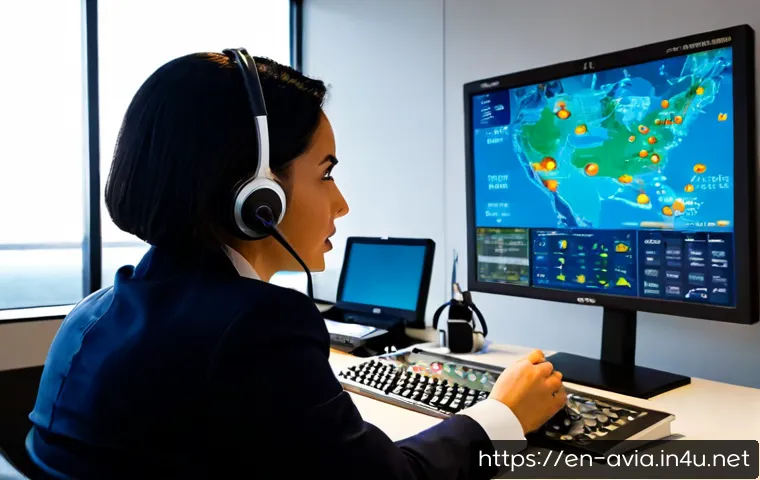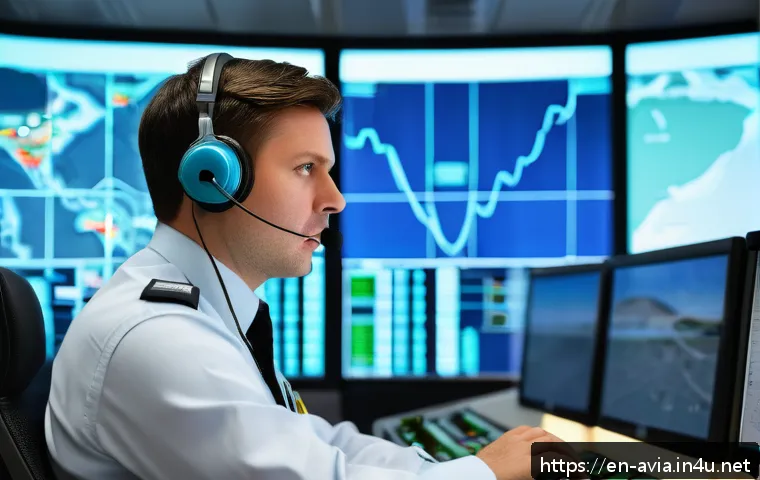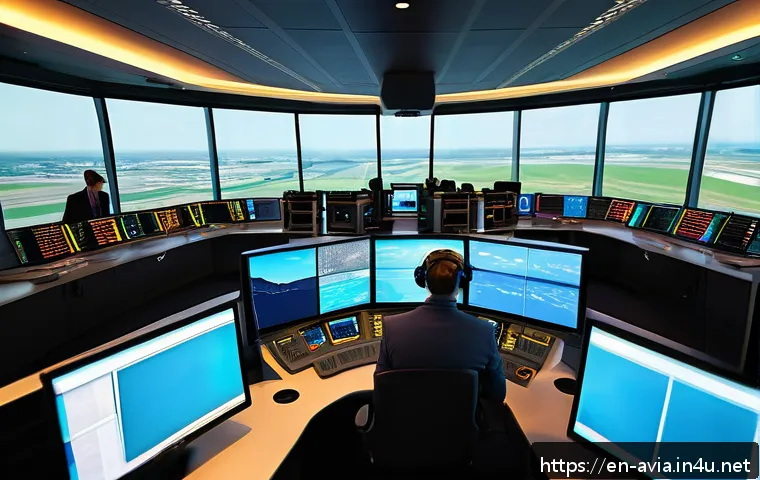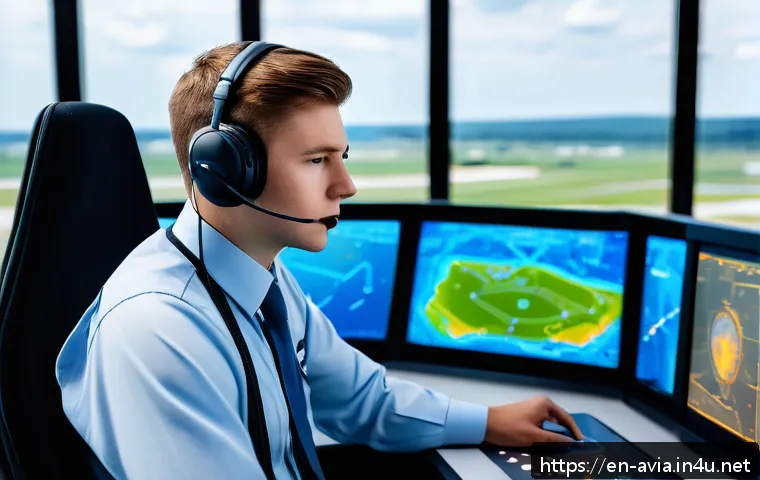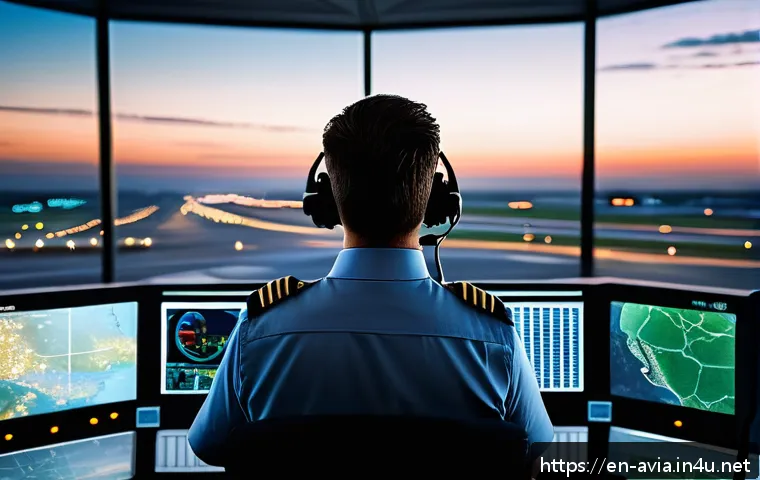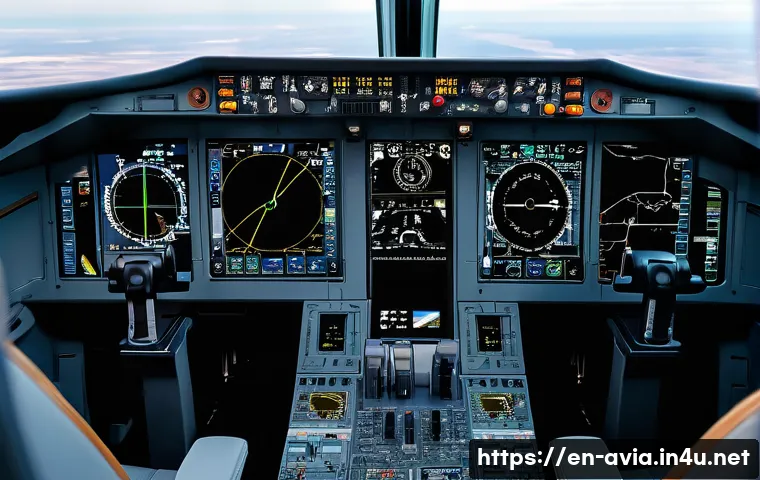
Hey aviation enthusiasts! Ever peered into the cockpit and wondered about all the sophisticated tech keeping flights safe? Well, it’s not just up front.
Behind every smooth journey is an unsung hero: the Aviation Operations Specialist, often called an Aircraft Dispatcher. These pros are the strategic masterminds on the ground, and let me tell you, their toolkit is evolving faster than ever before.
We’re talking about incredibly advanced flight planning systems, real-time weather integration, and even AI-powered analytics that predict everything from optimal routes to potential delays.
It’s truly a dynamic blend of human expertise and cutting-edge technology that keeps our skies safe and incredibly efficient. I’ve seen firsthand how these technological advancements are completely redefining what it means to be a dispatcher, elevating their role to new heights.
Ready to explore the game-changing gear they simply can’t operate without and how it shapes the future of air travel? Let’s dive deeper into it below!
Embracing the AI Co-Pilot: A Game-Changer in Flight Planning
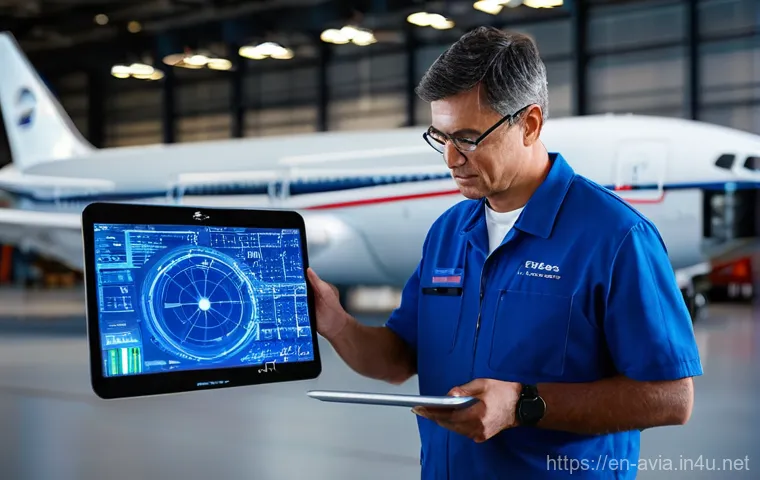
Okay, let’s get real. The days of dispatchers poring over paper maps and relying solely on their gut feelings are, thankfully, behind us. What I’ve seen exploding in the industry lately is the integration of Artificial Intelligence, and trust me, it’s not just a fancy buzzword; it’s a genuine game-changer. AI has become the ultimate co-pilot for us on the ground, analyzing an almost unfathomable amount of data in real-time. We’re talking about everything from current weather patterns that can shift in an instant to complex airspace restrictions and, of course, that ever-important factor: fuel efficiency. I remember a few years back, calculating the most optimal route felt like solving a super-complicated puzzle by hand, but now, these intelligent systems adapt flight plans dynamically, suggesting adjustments before we even realize a problem is brewing. This proactive approach is a lifesaver, cutting down on delays and making flights smoother and more economical for airlines. It’s like having a super-smart assistant who’s always one step ahead. The sheer analytical power allows us to focus on the truly critical judgment calls, knowing that the grunt work of optimization is being handled with unparalleled precision. Frankly, it’s exhilarating to work with this level of technological support.
Optimizing Routes for Peak Performance
When it comes to getting a plane from point A to point B, “fastest” isn’t always “best.” AI-powered flight planning systems take “best” to a whole new level. These systems devour variables like wind speed and direction at various altitudes, potential air traffic congestion points, and even the unique performance characteristics of each aircraft. What you get back isn’t just a flight path, it’s a meticulously crafted trajectory that minimizes fuel burn and emissions while maximizing on-time performance. I’ve personally seen how a slight tweak recommended by an AI algorithm can save thousands of pounds of fuel on a single long-haul flight. It’s truly impressive to witness the algorithms predict potential issues and offer alternative routes that avoid turbulent weather or crowded airspace, sometimes even before air traffic control issues a reroute. It’s this kind of predictive capability that gives airlines a massive competitive edge and, more importantly, ensures a smoother journey for passengers.
Predictive Maintenance: Keeping Fleets in Prime Condition
While not directly our day-to-day, the ripple effect of AI touches every corner of aviation. One area where I’ve seen huge strides is in predictive maintenance. Imagine an aircraft component signaling a potential issue *before* it actually fails. That’s precisely what AI-powered systems are doing now. By continuously analyzing sensor data from aircraft, these systems can spot anomalies that human eyes might miss, allowing maintenance teams to schedule repairs proactively. This means fewer unexpected delays due to mechanical issues, and believe me, as dispatchers, fewer surprises are always a good thing! It streamlines operations significantly and keeps our carefully planned schedules from unraveling. When I know an aircraft coming off a maintenance check has been vetted by these intelligent systems, I sleep a little easier.
Weather Wisdom: Real-Time Intelligence for Smarter Decisions
If there’s one thing that can throw a wrench into even the best-laid flight plan, it’s the weather. But honestly, the way we deal with it now is light-years ahead of where we were just a few years ago. We’re not just looking at a static forecast; we’re immersed in real-time, high-resolution weather intelligence. Platforms like The Weather Company’s Maverick Dispatch, for example, have completely transformed how we anticipate and react to atmospheric challenges. I mean, it’s one thing to know there’s a storm, but it’s another entirely to have AI-driven predictive models showing you the exact terminal airspace convective risk (TrACR), how it might impact airport capacity, and even predict potential taxi-time delays. This kind of granular detail allows us to make incredibly informed decisions, sometimes rerouting flights hours in advance to avoid a weather cell that hasn’t even fully formed yet. It’s truly phenomenal and, frankly, reduces a lot of the stress that used to come with unpredictable weather fronts.
Advanced Weather Visualization: Seeing What’s Coming
Gone are the days of squinting at fuzzy radar images. Modern systems offer advanced weather visualization that feels almost futuristic. We can overlay multiple layers of weather data onto our flight maps, from wind shear warnings to icing conditions and severe storm cells. This isn’t just pretty graphics; it’s incredibly actionable intelligence. Being able to see the Global High-Resolution Atmospheric Forecasting (GRAF) system’s output on my screen, showing weather impacts with such clarity, lets me anticipate how a front will move and its potential effect on our planned routes. I often find myself thinking, “Wow, if only we had this ten years ago, how many diversions and frustrating delays could we have avoided?” It empowers us to guide aircraft through the safest and most efficient corridors, minimizing passenger discomfort and ensuring smooth operations.
Smart NOTAMs: Cutting Through the Noise
Anyone in aviation knows the sheer volume of NOTAMs (Notices to Air Missions) can be overwhelming. They’re critical, but historically, sifting through pages of sometimes irrelevant information to find what truly matters for a specific flight was a monumental task. This is where Smart NOTAMs come in, and I have to tell you, they’re brilliant. Using proprietary AI, these systems categorize, prioritize, and summarize notices, presenting critical information in plain language. Instead of a static list, the AI understands context, highlights priority items, and filters out the noise. It’s a huge time-saver and significantly reduces alert fatigue, allowing us dispatchers to focus our precious mental energy on what’s truly urgent. I’ve personally seen how quickly our team can assess potential issues at a destination airport, for example, thanks to these intelligent summaries. It’s a testament to how AI isn’t just about big data, but also about making that data truly usable.
Beyond the Map: Sophisticated Flight Tracking and Monitoring Systems
Monitoring a flight isn’t just about watching a dot move across a screen anymore. Today’s flight tracking and monitoring systems are incredibly sophisticated, pulling in data from countless sources to give us an unparalleled level of situational awareness. We’re talking about real-time updates on an aircraft’s precise position, its performance metrics, and even how it’s interacting with current air traffic and weather conditions. These platforms are the central nervous system of our operations, allowing us to communicate seamlessly with pilots and air traffic control, making adjustments on the fly, and ensuring that every journey remains as safe and efficient as possible. I’ve been in situations where a sudden reroute due to unexpected turbulence meant instantly relaying new coordinates and weather information to the cockpit, and having all that integrated data at my fingertips made all the difference. It’s about being connected and having immediate access to every piece of information that can affect a flight.
Integrated Data Streams for Total Situational Awareness
Modern dispatch systems integrate a mind-boggling array of data points: flight plans, live aircraft telemetry, air traffic control advisories, dynamic weather overlays, and even geopolitical updates. This confluence of information paints a comprehensive picture for us. Imagine monitoring a flight approaching a busy hub. With these systems, I can see not only the current weather at the airport but also predicted arrival rates, potential gate availability, and any temporary flight restrictions (TFRs) in the vicinity. This holistic view is crucial for preemptively managing potential conflicts or delays. It’s not just about seeing problems; it’s about anticipating them and having the data to act decisively. The systems often come with intelligent alert dashboards that consolidate critical information, filtering out extraneous notifications and ensuring that our attention is drawn to what truly matters at that moment. This kind of contextual highlighting helps us make better, faster decisions under pressure.
Seamless Communication: The Lifeline of Operations
In our line of work, clear and immediate communication is paramount. The latest monitoring systems are tightly integrated with advanced communication tools, allowing us to connect with pilots, ground crews, and air traffic controllers instantly. Whether it’s through secure messaging, VoIP, or even satellite communication for flights over remote areas, these systems ensure that vital information flows freely. I’ve often had to relay urgent messages to a flight crew about a sudden runway change or a new weather advisory, and having those communication channels directly embedded into my flight monitoring platform saves crucial seconds. This seamless exchange of information helps us coordinate responses to unexpected events with incredible efficiency, ensuring that everyone involved in a flight’s operation is on the same page, from takeoff to touchdown.
The Digital Dispatcher’s Command Center: Integrated Operational Platforms
Honestly, my dispatch console today looks more like a mission control center than the cluttered desk it used to be. The biggest leap I’ve personally experienced is the move towards fully integrated operational platforms. These aren’t just single-purpose tools; they’re comprehensive ecosystems that bring together every aspect of flight planning and monitoring. From our flight planning software to real-time weather feeds and aircraft performance data, everything is interconnected. This integration is a massive benefit, eliminating the need to toggle between a dozen different applications and reducing the chance of human error. It also means that any update in one system, say a revised weather forecast, immediately propagates through the entire platform, giving us an instant, holistic view of its impact. It allows me to make calculated operational decisions based on a complete, accurate picture, which is just invaluable.
The Power of a Unified System
Think about managing hundreds of flights a day, each with unique requirements and potential variables. A unified platform consolidates all the information dispatchers need into one intuitive interface. I’m talking about crew schedules, aircraft availability, maintenance logs, booking data, and of course, flight plans. This interconnectedness allows for incredible efficiency. For example, if an aircraft has a minor maintenance issue that might slightly delay its next departure, the system can immediately flag potential conflicts with subsequent flights or crew duty times. This allows us to re-optimize schedules and reassign resources with far greater agility than ever before. For an AdSense perspective, this means less time spent on troubleshooting and more time on strategic, high-value tasks, contributing to a smoother, more reliable operation that keeps passengers (and thus, web searchers!) happy and engaged.
Enhancing Compliance and Safety Protocols
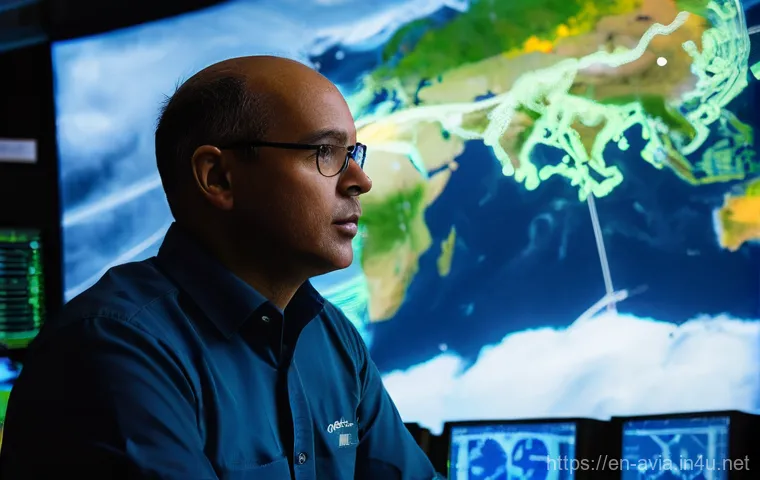
Compliance with aviation regulations is non-negotiable, and these integrated platforms are a dispatcher’s best friend in this regard. They have built-in mechanisms to ensure that every flight plan adheres to stringent regulatory requirements, from ETOPS/EDTO rules for extended operations over water to specific airspace restrictions. I’ve seen firsthand how these systems flag potential compliance issues during the planning phase, preventing costly and dangerous mistakes. Beyond regulatory compliance, they also enhance safety by providing graphical engine-out procedures and standard instrument departure (SID) analyzers. These features ensure that pilots have clear, immediate guidance in critical situations, further solidifying the safety net woven by our advanced tools. It’s about leveraging technology to maintain the highest safety standards in the skies.
Boosting Efficiency: AI in Maintenance and Crew Management
When you talk about what keeps an airline running smoothly, it’s not just the flights themselves; it’s the intricate dance of maintenance and crew scheduling behind the scenes. And let me tell you, AI is absolutely revolutionizing these areas, creating a positive ripple effect that reaches us dispatchers directly. Think about it: fewer unexpected mechanical issues mean fewer last-minute flight cancellations or delays for us to juggle. When maintenance schedules are optimized using AI, planes spend more time in the air earning revenue and less time sitting in a hangar. I remember the old days when a sudden maintenance snag could throw off an entire day’s schedule, like dominoes falling. Now, with predictive analytics, we often know about potential issues long before they become critical, allowing for planned maintenance that minimizes disruption. It takes a huge amount of pressure off the entire operational chain, including us in dispatch, and keeps the airline’s financial engines humming.
Optimizing Maintenance Schedules and Reducing Downtime
AI’s ability to sift through vast amounts of aircraft sensor data and identify patterns indicative of future component failures is nothing short of incredible. This “predictive maintenance” means that instead of waiting for something to break, or performing maintenance on a rigid, time-based schedule, we can service aircraft components exactly when they need it. This proactive approach significantly reduces unplanned downtime, which is a major cost factor for airlines. I’ve personally seen how this leads to better aircraft availability, making our job of assigning aircraft to flights much simpler and more predictable. It’s a win-win: improved safety, lower operational costs, and a more reliable schedule for everyone, from the airline to the passenger.
Smart Crew Scheduling and Fatigue Management
Another area where AI is making a huge difference is in crew scheduling. This is a remarkably complex puzzle, balancing regulatory duty limits, crew preferences, rest requirements, and operational needs. AI algorithms can optimize these schedules to minimize crew fatigue, prevent “timing out” scenarios (where a crew member reaches their maximum allowable duty time mid-flight), and reduce costly overtimes. For us in dispatch, knowing that our flight crews are well-rested and optimally scheduled is a huge relief. It contributes directly to safety and operational efficiency. I recall times when crew availability was a constant headache; now, with AI-powered systems, those headaches are far less frequent, allowing us to focus on the actual flight operations with greater peace of mind.
Navigating Tomorrow’s Skies: The Evolving Skillset of the Modern Dispatcher
Let’s be clear: AI isn’t here to replace us; it’s here to empower us. From my vantage point, the role of an Aircraft Dispatcher is evolving, becoming more strategic and less about manual data crunching. We’re transitioning from being data gatherers to data interpreters, leveraging these incredible new tools to make faster, smarter decisions. The future isn’t about *if* we use technology, but *how* we integrate it into our human expertise. I see a future where dispatchers are even more critical, acting as the ultimate decision-makers in complex scenarios, supported by an array of intelligent systems. It’s an exciting time to be in this field, and honestly, the demand for skilled dispatchers who can effectively leverage these AI tools is only going to grow. We’re becoming masters of an even more dynamic and technologically advanced environment, which is incredibly rewarding.
From Data Cruncher to Strategic Decision-Maker
The influx of AI and automation into flight dispatch allows us to offload many routine, repetitive tasks. This frees up our mental bandwidth to focus on higher-level strategic planning and problem-solving. Instead of manually cross-referencing weather reports with flight plans, the AI provides contextual insights, letting us analyze the *implications* of that weather on the entire operation. This shift means our critical thinking, judgment, and ability to handle unexpected situations become even more valuable. I find myself engaging in much more in-depth scenario planning, exploring various contingencies that the AI presents, rather than building the initial plan from scratch. It’s about collaborating with the machine to achieve optimal outcomes, using our unique human insights to refine and validate the AI’s suggestions.
Lifelong Learning: The New Standard for Aviation Professionals
The pace of technological advancement in aviation means that continuous learning isn’t just a recommendation; it’s an absolute necessity. For us dispatchers, staying updated with the latest software, AI models, and regulatory changes is paramount. I’m constantly taking courses, attending webinars, and digging into industry reports to keep my skills sharp. Our training programs are evolving too, emphasizing data literacy and how to effectively interact with AI-driven systems. This commitment to lifelong learning ensures that we remain at the forefront of aviation safety and efficiency. It’s a dynamic career path where complacency simply isn’t an option, and for someone like me who loves to keep learning, that’s a huge plus!
| Technology Category | Primary Function | Impact on Dispatchers |
|---|---|---|
| AI-Powered Flight Planning Software | Optimizes routes, fuel, and time considering complex variables (weather, traffic, aircraft performance). | Faster, more efficient, and compliant flight plans; reduces manual calculation burden. |
| Real-time Weather Intelligence Platforms | Provides high-resolution, predictive weather data and alerts (e.g., convective storms, airport capacity). | Enhanced situational awareness; proactive decision-making for reroutes and delays. |
| Smart NOTAM Systems | Categorizes, prioritizes, and summarizes critical aviation notices using AI. | Reduces alert fatigue; quick access to relevant, actionable information. |
| Integrated Flight Tracking & Monitoring | Consolidates live aircraft data, ATC advisories, and operational status in one view. | Total situational awareness; seamless communication with flight crews and ATC. |
| Predictive Maintenance Systems | Analyzes sensor data to forecast equipment failures before they occur. | Fewer unexpected delays; improved aircraft availability for scheduling. |
Wrapping Things Up
Wow, what a journey we’ve taken through the incredible world of AI in aviation! As someone who’s spent years in the thick of it, watching these technological shifts unfold has been nothing short of amazing. It’s clear to me that AI isn’t just a fleeting trend; it’s genuinely reshaping how we approach flight operations, making everything from planning routes to managing unexpected events smoother, safer, and remarkably more efficient. I truly believe that by embracing these tools, we’re not just optimizing flights; we’re actively contributing to a more sustainable and reliable future for air travel, and that’s something truly exciting to be a part of.
Useful Information to Know
1. AI-powered flight planning systems are already standard in many airlines, offering dynamic route optimization that factors in real-time weather, air traffic, and aircraft performance for significant fuel savings and reduced emissions. This means fewer delays for you and a smaller carbon footprint for our planet.
2. Predictive maintenance, driven by AI, can detect potential equipment failures long before they become critical, minimizing unexpected mechanical delays and greatly enhancing overall flight safety. You can fly with more peace of mind knowing your aircraft is proactively monitored.
3. Modern dispatcher roles are evolving to become more strategic. Instead of manual data crunching, we’re leveraging AI as a powerful co-pilot, focusing our human expertise on critical decision-making and problem-solving. This isn’t about replacement; it’s about empowerment.
4. Integrated operational platforms that combine weather intelligence, smart NOTAMs, and flight tracking data provide unparalleled situational awareness, enabling quicker, more informed responses to any unforeseen circumstances. This advanced connectivity means smoother journeys.
5. The aviation industry is heavily investing in AI, with a projected growth in the AI in aviation market, showing a commitment to continuous improvement in safety, efficiency, and the passenger experience. Expect even more seamless travel in the years to come!
Key Takeaways
AI is fundamentally transforming aviation, not by replacing human roles, but by enhancing them, particularly for professionals like us in flight dispatch. It’s creating a new era of efficiency, safety, and operational excellence through data-driven insights. From smarter route planning that saves fuel and reduces emissions to predictive maintenance that keeps aircraft in prime condition, and integrated systems that provide real-time situational awareness, AI is truly the ultimate co-pilot. For us, this means a more strategic and less manual workload, allowing us to make faster, more precise decisions, ultimately leading to a better, more reliable experience for every passenger. The future of flight is here, and it’s intelligent, interconnected, and incredibly exciting.
Frequently Asked Questions (FAQ) 📖
Q: What are the absolute must-have technological marvels that today’s
A: ircraft Dispatchers rely on? A1: Oh, where do I even begin? It’s truly mind-blowing to see the tech these pros command!
Forget the old days of paper charts and static data; now, we’re talking about incredibly sophisticated Flight Planning Systems. These aren’t just glorified GPS; they’re dynamic beasts that crunch countless variables – things like aircraft performance, current fuel burn rates, real-time air traffic control restrictions, and even the most efficient preferred routes.
I’ve personally watched a dispatcher optimize a complex transatlantic flight in minutes, a task that would have taken hours of painstaking manual work before these systems came along.
Then there’s the crucial real-time Weather Integration. No more waiting for delayed or generalized reports! They’ve got advanced systems that pull in live radar feeds, high-resolution satellite imagery, precise wind shear warnings, and even highly predictive turbulence forecasts, so they can proactively guide pilots away from rough patches.
It’s like having a crystal ball, but for the sky! And the newest kid on the block, which I find absolutely fascinating, is AI-powered Analytics. These smart systems are constantly learning from millions of past flights, predicting everything from potential delays at busy airports to optimal climb and descent profiles, helping dispatchers make even smarter, faster, and more informed decisions.
It’s an exhilarating blend of human savvy and cutting-edge silicon, and honestly, it makes me feel so much safer knowing these tools are at work, ensuring every aspect of our journey is meticulously planned.
Q: How has this new era of technology actually transformed the
A: ircraft Dispatcher’s role on a day-to-day basis? A2: That’s an excellent question, and it’s something I’ve spent a lot of time observing and discussing with folks in the field!
If you think of aircraft dispatchers from a decade or two ago, their job was often about intense, manual calculations and poring over mountains of static data.
Now, thanks to these advanced tools, their role has shifted dramatically – it’s less about raw data processing and far more about high-level analysis, strategic decision-making, and collaborative leadership.
Instead of spending hours figuring out a single flight path, they’re now analyzing multiple AI-generated optimal routes, evaluating risks in real-time, and making the ultimate call on the safest, most efficient option available.
I recently had a chat with a seasoned dispatcher who told me, “My job used to be about finding a solution; now it’s about finding the absolute best possible solution, constantly, and often predicting issues before they even surface.” They’ve truly become more like strategic partners with the pilots, working in tandem to navigate complex scenarios.
This evolution has truly elevated their expertise, making them invaluable architects of every flight. They’re not just reacting to problems; they’re proactively shaping the journey, and that’s a huge, positive leap for air travel!
Q: Beyond just speed and efficiency, how do these technological leaps ultimately make air travel much safer for us all?
A: This is the absolute core of why these advancements are so exciting and critically important, isn’t it? While efficiency is a massive plus, the ultimate, non-negotiable goal is always safety, and these tools are absolute game-changers in that regard.
Picture this: real-time weather integration means dispatchers can spot a developing thunderstorm, an unforeseen microburst, or even volcanic ash hundreds of miles away and reroute a flight before it even becomes a concern for the aircraft.
Less turbulence, significantly less risk. The AI-powered analytics can predict potential mechanical issues or system overloads at a specific airport based on historical data, allowing for preemptive adjustments to schedules or even proactive maintenance checks.
This isn’t just about preventing delays; it’s about preventing incidents. And those incredibly sophisticated flight planning systems? They ensure that every flight has the optimal amount of fuel, meticulously taking into account potential unexpected diversions, holding patterns, or adverse winds, drastically reducing any risks of fuel emergencies.
What I personally find most reassuring is the sheer level of informed decision-making these tools empower. They provide such a comprehensive, dynamic picture of the entire airspace and the specific aircraft, giving dispatchers and pilots the best possible information to ensure our journey is not just smooth, but incredibly secure from takeoff to touchdown.
It truly gives me immense peace of mind when I step onto a plane!