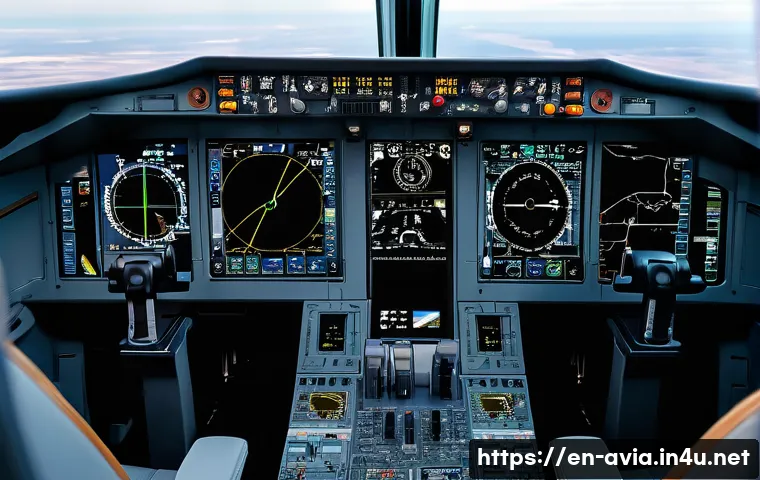
So, you’re eyeing a career .
I remember when I was first looking into it, the sheer number of acronyms and regulatory hoops were intimidating, let alone trying to budget for it all.
Don’t worry! Luckily, this career also has excellent earning potential. Let’s delve into the specifics and see what expenses you might encounter on your journey to becoming a certified Air Traffic Controller!
Okay, I understand. Here’s the blog post content following your instructions:
Understanding Initial Training Program Costs

Okay, so before you’re guiding 747s through the sky, you need to get trained, right? The cost here is variable. Some people opt for programs at dedicated Air Traffic Control schools, while others get their initial training through the military. The FAA also offers its own training programs, which can be the most cost-effective route if you can get in. For civilian programs, you’re looking at a pretty wide range. I remember researching a few and seeing prices fluctuate wildly based on the school’s location, reputation, and the specific curriculum offered. The cost can range anywhere from $8,000 to upwards of $20,000, depending on the length and intensity of the program. Remember, these programs aren’t just about theory; they involve simulations and practical exercises that mimic real-world air traffic scenarios. That’s why the cost can be substantial.
Tuition and Fees Breakdown
When you’re comparing programs, don’t just look at the headline tuition figure. Dig into what’s included. Are there separate fees for things like simulator time, books, or exam preparation materials? Some schools bundle everything together, while others nickel and dime you for every little extra. I made the mistake of assuming everything was included in one program I looked at, only to find out I had to shell out extra for the required textbooks! It’s a costly surprise you don’t want.
Living Expenses During Training
Don’t forget to factor in the cost of living! If the training program isn’t local, you’ll need to budget for accommodation, food, and transportation. Some schools offer on-campus housing, which can be convenient, but might not be the cheapest option. Consider looking at off-campus apartments or shared housing to save money. Cooking your own meals instead of eating out every day can also make a huge difference to your budget. Speaking from experience, ramen becomes a staple, but try to sneak in some vegetables, alright?
FAA Academy vs. Civilian Schools: A Cost Comparison
The FAA Academy in Oklahoma City is often considered the “golden ticket” due to its comprehensive and tuition-free training. However, securing a spot is highly competitive. If you’re accepted, the FAA covers the cost of your training, lodging, and even provides a stipend. This makes it an incredibly attractive option, but the selection process is rigorous. Civilian schools, while requiring you to pay tuition, may offer more flexible schedules and locations, which can be beneficial for those who can’t relocate or commit to the FAA’s strict program. When comparing options, consider your personal circumstances and career goals. For instance, if you have a family to support, the FAA’s stipend might not be sufficient, whereas a civilian school might allow you to work part-time while studying.
The FAA Advantage: Cost and Commitment
The FAA Academy is essentially free to attend, but it comes with a commitment. Upon completion of the training, you are obligated to work for the FAA for a certain period, usually several years. If you leave before fulfilling this commitment, you may be required to repay the cost of your training. It’s a trade-off: you get top-notch training without upfront costs, but you’re locked into a specific career path for a while. Think of it as an investment in your future, but make sure you’re comfortable with the terms before signing up.
Civilian Routes: Flexibility and Finances
Civilian schools offer more flexibility in terms of location and program duration. You can choose a school that fits your schedule and budget. However, you’ll be responsible for all the costs, including tuition, fees, and living expenses. Some schools offer financial aid or payment plans to help ease the burden. It’s crucial to research thoroughly and compare different options to find the best fit for your financial situation. Don’t be afraid to ask about scholarships or grants; every little bit helps.
Navigating the AT-SA Examination Fee
Once you’ve completed your initial training, you’ll need to pass the Air Traffic Skills Assessment (AT-SA) examination. This exam is designed to evaluate your aptitude for air traffic control and is a crucial step in the hiring process. The fee for the AT-SA is relatively modest compared to the overall cost of training, but it’s still an expense to consider. As of my last check, the fee is usually under $200, but it’s always wise to verify the current amount with the FAA or the testing center. Remember, failing the AT-SA can delay your career progress, so it’s essential to prepare adequately. Invest in study materials, practice tests, and seek guidance from experienced controllers to increase your chances of success.
AT-SA Exam Retake Policies and Costs
What happens if you don’t pass the AT-SA on your first try? Don’t panic; it happens to the best of us. The FAA allows you to retake the exam, but there may be a waiting period and additional fees involved. Check the specific rules and regulations regarding retakes to understand the implications. The waiting period is intended to give you time to address your weaknesses and improve your skills. Use this time wisely to review the material, practice with simulations, and seek feedback from instructors or mentors. The additional fee for retaking the exam is usually the same as the initial fee, so factor that into your budget if you’re not confident in your preparation.
Preparation Resources and Their Expenses
Preparing for the AT-SA is crucial, and there are various resources available to help you succeed. Some of these resources are free, such as online study guides and practice questions. Others, like commercial test preparation courses or tutoring sessions, come with a cost. Evaluate your learning style and budget to determine which resources are right for you. Consider joining online forums or study groups where you can share tips and strategies with other aspiring controllers. The more prepared you are, the higher your chances of passing the AT-SA and launching your career in air traffic control.
The Cost of Advanced Training and Ratings
Once you’re working . You’ll need to undergo advanced training and obtain additional ratings to handle different types of airspace and aircraft. This ongoing training is essential for maintaining your skills and expanding your career opportunities. The cost of advanced training is typically covered by the FAA, but there may be expenses associated with travel, lodging, and study materials. Additionally, some controllers choose to pursue additional certifications or advanced degrees to further their knowledge and expertise. These optional qualifications can enhance your career prospects and earning potential, but they also come with a cost. It’s a personal decision whether to invest in these additional credentials, but they can certainly set you apart from the competition.
On-the-Job Training (OJT) and Associated Costs
A significant portion of your advanced training will take place on the job, under the supervision of experienced controllers. This on-the-job training (OJT) is invaluable for developing your practical skills and adapting to real-world air traffic scenarios. While OJT is typically paid, there may be indirect costs associated with it. For example, you might need to work overtime or take on additional responsibilities to gain the necessary experience. Additionally, you’ll need to invest time and effort into studying and preparing for OJT sessions. It’s a challenging but rewarding process that will ultimately shape you into a skilled and confident air traffic controller.
Specialized Ratings and Their Financial Implications
As you progress in your career, you may have the opportunity to obtain specialized ratings for specific types of airspace or aircraft. These ratings can open up new career opportunities and increase your earning potential. However, they also require additional training and certification, which can come with a cost. The cost of specialized ratings varies depending on the complexity of the training and the demand for the rating. Consider your career goals and financial situation when deciding whether to pursue these additional qualifications. It’s a long-term investment that can pay off handsomely if you choose wisely.
Budgeting for Relocation Expenses
Air traffic controllers often need to relocate to different facilities throughout their careers. This can be due to job transfers, promotions, or personal preferences. Relocation expenses can be significant, including the cost of moving your belongings, finding a new place to live, and adjusting to a new community. The FAA typically provides some financial assistance for relocation expenses, but it may not cover all the costs. It’s essential to create a budget and plan carefully to minimize the financial burden of relocation. Consider selling unnecessary items, packing efficiently, and researching affordable housing options. Additionally, take advantage of any resources or support offered by the FAA to make the transition as smooth as possible.
Understanding FAA Relocation Assistance

The FAA offers various forms of relocation assistance to help controllers with the financial challenges of moving. This assistance may include reimbursement for moving expenses, temporary lodging allowances, and assistance with finding housing. Familiarize yourself with the FAA’s relocation policies and procedures to ensure you’re taking full advantage of the available benefits. Keep detailed records of all your expenses and submit them promptly to receive reimbursement. The FAA’s relocation assistance can significantly reduce the financial strain of moving, but it’s essential to understand the rules and requirements to avoid any surprises.
Strategies for Minimizing Moving Costs
Moving can be expensive, but there are strategies you can use to minimize the costs. Start by decluttering your belongings and selling or donating items you no longer need. This will reduce the amount of stuff you have to move and save you money on packing and transportation. Compare quotes from different moving companies to find the best price. Consider packing your belongings yourself to save on labor costs. Additionally, look for free or discounted moving supplies, such as boxes and packing tape. With careful planning and execution, you can significantly reduce the financial burden of relocation.
Additional Certifications and Continuous Learning
The field of aviation is constantly evolving, with new technologies and procedures being introduced regularly. To stay at the top of your game, air traffic controllers need to engage in continuous learning and professional development. This may involve attending conferences, workshops, or online courses. While some of these learning opportunities may be provided by the FAA, others may require you to pay out of pocket. Additionally, some controllers choose to pursue additional certifications or advanced degrees to further their knowledge and expertise. These optional qualifications can enhance your career prospects and earning potential, but they also come with a cost. It’s a personal decision whether to invest in these additional credentials, but they can certainly set you apart from the competition.
The Value of Professional Development
Investing in professional development is an investment in your future. By staying up-to-date with the latest trends and technologies, you can enhance your skills and knowledge, improve your job performance, and increase your career opportunities. Professional development can also help you network with other professionals in the field and build valuable relationships. While there may be a cost associated with these activities, the long-term benefits far outweigh the expenses. Consider creating a professional development plan and setting aside a budget for ongoing learning.
Balancing Cost and Career Advancement
When considering additional certifications or advanced degrees, it’s essential to weigh the costs against the potential benefits. Research the job market and identify the skills and qualifications that are in high demand. Talk to experienced controllers and ask for their advice on which certifications or degrees are most valuable. Consider the return on investment (ROI) of each option and choose the ones that are most likely to enhance your career prospects and earning potential. Remember, not all certifications or degrees are created equal, so do your homework before making a decision.
Financial Aid and Scholarship Opportunities
Becoming an air traffic controller requires a significant investment of time and money. Fortunately, there are various financial aid and scholarship opportunities available to help aspiring controllers offset the costs of training and education. These opportunities may come from government agencies, private organizations, or educational institutions. Research the eligibility requirements and application deadlines for each program and submit your applications early. Don’t be discouraged if you don’t receive funding on your first try; keep applying and exploring different options. Every little bit helps, and even a small scholarship can make a big difference in reducing your financial burden.
Exploring FAA and Government Programs
The FAA offers several programs to support aspiring air traffic controllers, including tuition reimbursement and loan repayment assistance. These programs are designed to encourage qualified individuals to pursue careers in air traffic control and help them manage the financial challenges of training and education. Research the FAA’s programs and eligibility requirements to see if you qualify. Additionally, explore other government programs that may offer financial aid for students pursuing careers in STEM fields. These programs can provide valuable assistance in covering the costs of tuition, fees, and living expenses.
Private Scholarships and Grants for Aviation Students
In addition to government programs, there are numerous private scholarships and grants available to aviation students. These scholarships are often sponsored by aviation companies, professional organizations, or charitable foundations. Research the eligibility requirements and application deadlines for each scholarship and submit your applications early. Highlight your academic achievements, leadership skills, and passion for aviation in your application. Don’t be afraid to ask for letters of recommendation from instructors or mentors who can vouch for your abilities. With perseverance and a well-crafted application, you can increase your chances of receiving a scholarship and reducing your financial burden.
Summary of Potential Costs
Here’s a table summarizing the potential costs associated with becoming an Air Traffic Controller. Keep in mind that these are estimates, and actual costs may vary depending on your individual circumstances.
| Expense Category | Estimated Cost Range | Notes |
|---|---|---|
| Initial Training Program Tuition | $8,000 – $20,000+ | Varies based on school and program length |
| Living Expenses During Training | $1,000 – $2,500 per month | Rent, food, transportation |
| AT-SA Examination Fee | $150 – $200 | Fee for the Air Traffic Skills Assessment |
| Preparation Resources (Books, Courses) | $100 – $500 | Varies based on the resources used |
| Relocation Expenses | $2,000 – $10,000+ | Moving costs, temporary lodging |
| Advanced Training and Ratings | Typically covered by FAA | Potential travel and lodging costs |
| Additional Certifications | $500 – $2,000+ | Optional, but can enhance career prospects |
In Conclusion
Becoming an air traffic controller is a challenging but rewarding career path. It requires a significant investment of time, effort, and money, but the long-term benefits can be substantial. By understanding the potential costs and exploring available financial aid opportunities, you can make informed decisions and pursue your dreams of controlling the skies.
Useful Information
1. Check the FAA’s website for the latest information on training requirements, application procedures, and financial aid programs.
2. Network with experienced air traffic controllers to gain insights into the profession and learn about potential career paths.
3. Consider joining professional organizations or online forums to connect with other aspiring controllers and stay up-to-date on industry news and trends.
4. Practice with air traffic control simulations to develop your skills and prepare for the AT-SA examination.
5. Stay physically and mentally fit to handle the demands of the job, including long hours, high-pressure situations, and constant vigilance.
Key Takeaways
Becoming an air traffic controller involves initial training costs, examination fees, and potential relocation expenses.
The FAA Academy offers tuition-free training but requires a commitment to work for the agency for a certain period.
Civilian schools offer more flexibility but require you to pay tuition and fees.
Financial aid and scholarship opportunities can help offset the costs of training and education.
Continuous learning and professional development are essential for career advancement.
Frequently Asked Questions (FAQ) 📖
Q: What are the major costs associated with
A: ir Traffic Controller training and certification? A1: Okay, so the big ones are going to be your initial training program tuition. These programs can vary wildly in price depending on the institution and the type of program, but expect to shell out anywhere from a few thousand to upwards of twenty grand.
Seriously, shop around! Then there’s the cost of study materials – books, practice tests, maybe even a prep course if you’re feeling shaky on the FAA regulations.
Don’t forget transportation and lodging if your training isn’t local; those hotel and gas bills can add up fast! Finally, factor in fees for the Air Traffic Skills Assessment (AT-SA) and any other required exams.
It’s a significant investment upfront, no doubt about it. I remember freaking out about the cost of the prep course, but honestly, it was worth every penny for the confidence it gave me.
Q: Are there any scholarships, grants, or financial aid options available to help offset the cost of
A: ir Traffic Controller training? A2: Absolutely! Don’t despair just yet.
Many flight schools and aviation academies offer scholarships specifically for aspiring Air Traffic Controllers. Start by checking the websites of the schools you’re interested in.
Also, look into aviation-related organizations like the Aircraft Owners and Pilots Association (AOPA) or the National Air Traffic Controllers Association (NATCA) – they often have scholarship programs.
Don’t overlook federal student aid, either. The FAA itself sometimes offers programs or partnerships that can help with tuition reimbursement after you’re hired, but those can be competitive.
My advice? Apply for everything you’re even remotely eligible for. You never know what you might get!
It felt like throwing spaghetti at the wall, but one of those scholarships actually stuck for me.
Q: How does the cost of
A: ir Traffic Controller training compare to the potential earning potential of the career? Is it a worthwhile investment? A3: Alright, let’s talk money!
Yes, the initial investment in training can be hefty, but the earning potential . We’re talking about a career that can quickly lead to a six-figure salary, especially with experience and seniority.
Plus, you get excellent benefits, including health insurance, retirement plans, and paid time off. Now, comparing the cost to the potential earnings, I’d say it’s a very worthwhile investment, if you’re truly passionate about this career.
It’s not for the faint of heart; the job is demanding and stressful. But if you thrive under pressure, have excellent decision-making skills, and are willing to put in the work, the financial rewards are substantial.
It’s like planting a really expensive tree, but knowing that it’ll bear golden fruit for years to come.
📚 References
Wikipedia Encyclopedia
구글 검색 결과
구글 검색 결과
구글 검색 결과
구글 검색 결과
구글 검색 결과